
When to consult a doctor before buying a massage chair
Pregnancy, a pacemaker, thrombosis, osteoporosis, diabetes. Which health conditions call for a doctor's advice before buying a massage chair, and what to ask.
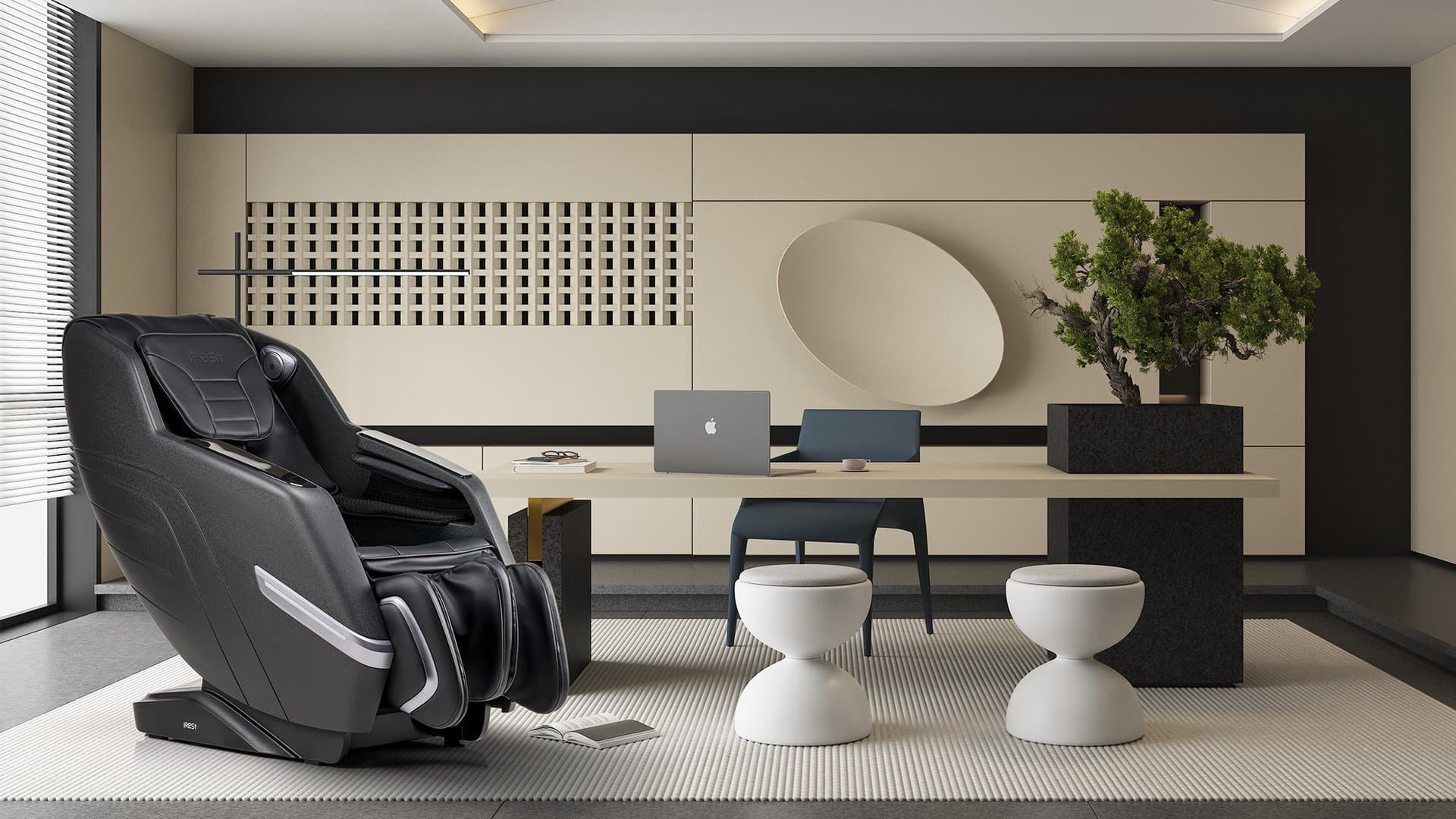
A massage chair is not a medical device and does not treat illness. If you are pregnant, have an implanted pacemaker, have had thrombosis, have osteoporosis, diabetes with reduced sensation in the legs or a serious heart condition, talk to your doctor before you buy. The same applies when you are buying the chair for an older family member who lives with several diagnoses at once.
This list is not our invention. In the safety section of its user manual, the manufacturer iRest expressly forbids use by people with heart disease or implanted electronic medical devices, people with a fever, pregnant women and women during menstruation, people who are injured or have a skin disease, unsupervised children under 14, and anyone whose doctor has prescribed rest. The same manual recommends no more than 20 minutes of massage per session and tells you to stop and consult a health practitioner if you feel unwell during use. Below, those rules are explained through the cases we hear about most often when advising customers.
At a glance: which conditions call for a doctor's advice
- Pregnancy or menstruation.
- A pacemaker, defibrillator or any other implanted electronic device.
- Heart disease, severe hypertension, a previous heart attack.
- Thrombosis, varicose veins, an aneurysm or blood-thinning medication.
- Osteoporosis, or recent surgery on the spine, hips or joints.
- Diabetes with reduced sensation in the feet.
- Fever, acute inflammation, a fresh injury, a skin condition.
- Children under 14, and adults in very fragile health.
Pregnancy and menstruation
Do not use the chair during pregnancy without explicit clearance from your gynaecologist. The rollers work on the lower back and pelvis, the airbags compress the hips and thighs, and the Zero Gravity position raises the legs above the heart and changes blood flow. None of this is automatically safe in pregnancy, which is why the manufacturer lists it as a prohibition. If you are buying while someone in the family is pregnant, plan the chair for the months after the birth and let other family members use it until then. The manufacturer also advises against use during menstruation, mainly because of the pressure on the lower abdomen and lower back.
Pacemaker, defibrillator and heart disease
The iRest manual forbids use by people with implanted electronic medical devices. The reason is no secret: the chair contains electric motors, heating and, on some models, sensors that read your pulse through the backrest, and no manufacturer tests those systems in combination with pacemakers. Modern pacemakers are less sensitive to interference than they were a decade ago, but that is an assessment for a cardiologist, not a retailer. Severe hypertension, a previous heart attack and heart failure call for the same caution, because deeper massage and a change in body position both affect blood pressure and heart rate.
Thrombosis, varicose veins and blood thinners
Massaging the calves and feet speeds up blood flow in the legs. With deep vein thrombosis that is exactly the danger, because a clot can be dislodged from where it formed. If you have had thrombosis, have pronounced varicose veins or take blood-thinning medication, ask your doctor before using the chair. A common outcome is that the doctor allows back massage but advises against leg massage. On iRest chairs the calf and foot airbags can be switched off or turned down, so the back gets its massage while the legs stay still.
Osteoporosis, the spine and recovery after surgery
With osteoporosis or markedly reduced bone density, even normal roller pressure on the ribs and lumbar area can carry a fracture risk. That is why the manufacturer places people with osteoporosis among those who should not use the chair without a doctor's clearance. The same goes for the period after spine, hip or knee surgery and for pronounced spinal deformities: until the doctor confirms that the load is safe, the chair waits. We looked at when massage helps the back and when it does not in our article on whether a massage chair helps with back pain.
Diabetes and reduced sensation in the legs
Long-term diabetes reduces sensitivity in the feet and lower legs for some people. Such a person will not notice in time that the rollers are too strong or that the heated surface is too hot. The iRest manual explicitly warns that the chair has a hot surface and that people insensitive to heat must take particular care. If you have diabetic neuropathy or a similar loss of sensation, ask your doctor which intensity is safe for you, and leave the heating switched off for your first sessions.
Fever, acute inflammation, skin conditions and fresh injuries
Massage over fresh inflammation or an injury, or while you have a temperature, makes things worse rather than better. The manufacturer therefore forbids use during fever, injury and skin disease. These are not permanent restrictions; once the body has recovered, you use the chair as before. The rule is simple: whatever is painful, inflamed or freshly injured is left alone on those days.
Children and older users
According to the manufacturer, children under 14 must not use the chair without adult supervision. The chairs are sized for an adult frame and the rollers follow an adult spine, not a child's. With older users, the key is that relatives know the diagnoses: anyone buying a chair for their parents should go through the list above together with them before buying. What an older user actually needs from a chair is covered in our article on massage chairs for older people and athletes.
What exactly to ask your doctor
Do not ask your doctor the general question of whether you may use a massage chair. It is far better to bring a list of specific points:
- Is roller massage of my back safe for me, and at what intensity?
- May I have calf and foot massage with airbags, or should I switch it off?
- May I lie in the Zero Gravity position, with my legs above heart level?
- May I use the lumbar heating?
- How many minutes and how many times a week is a sensible limit for me?
Write the answers down. During our consultation we will help you choose a model and settings that fit those limits.
How to start cautiously once your doctor says yes
- For the first week, use the lowest intensity and a short programme, no longer than the 20 minutes the manufacturer recommends.
- Switch on the leg airbags and the heating only once your doctor has explicitly allowed them.
- Do not fall asleep during a massage; the manual forbids it, because a sleeping body does not react to uncomfortable pressure.
- If you feel unwell, dizzy or in pain, stop the massage at once and consult your doctor.
- Increase the intensity gradually, week by week, not day by day.
What we will ask you
When you send an enquiry, we will ask who will use the chair, what their health restrictions are and whether a doctor has already cleared its use. This is not a formality: some iRest models offer a gentler massage and more intensity levels, others are built for deep massage after sport, and switching off individual zones is not equally simple on every model. That is why your doctor's answer is the first thing we want to hear, and the choice of model only the second. When in doubt, ask your doctor before buying, not after the first session.
The HEKO team
Frequently asked questions
- Can I use a massage chair during pregnancy?
- The manufacturer iRest expressly advises against use during pregnancy and menstruation. If you are buying while someone in the family is pregnant, plan the chair for the months after the birth and let other family members use it until then. Any exception is for the gynaecologist to decide.
- May I use a massage chair with a pacemaker?
- The iRest manual forbids use by people with implanted electronic medical devices. Modern pacemakers are less sensitive to interference, but that decision belongs to the cardiologist who knows your device, not to the retailer.
- Is a massage chair a medical device?
- No. iRest massage chairs are products for relaxation and wellbeing. They do not treat illness and do not replace physiotherapy or medical care. They help with everyday muscle tension and fatigue.
- How long should a session in the chair last?
- The manufacturer recommends no more than 20 minutes at a time. Start with a short programme at the lowest intensity, without heating and without calf massage, and see how your body responds the next day. Increase intensity and duration gradually.
Would you like advice?
We help you pick the right model for your needs, height and space. Advice with no obligation.
The collection
The iRest models we write about
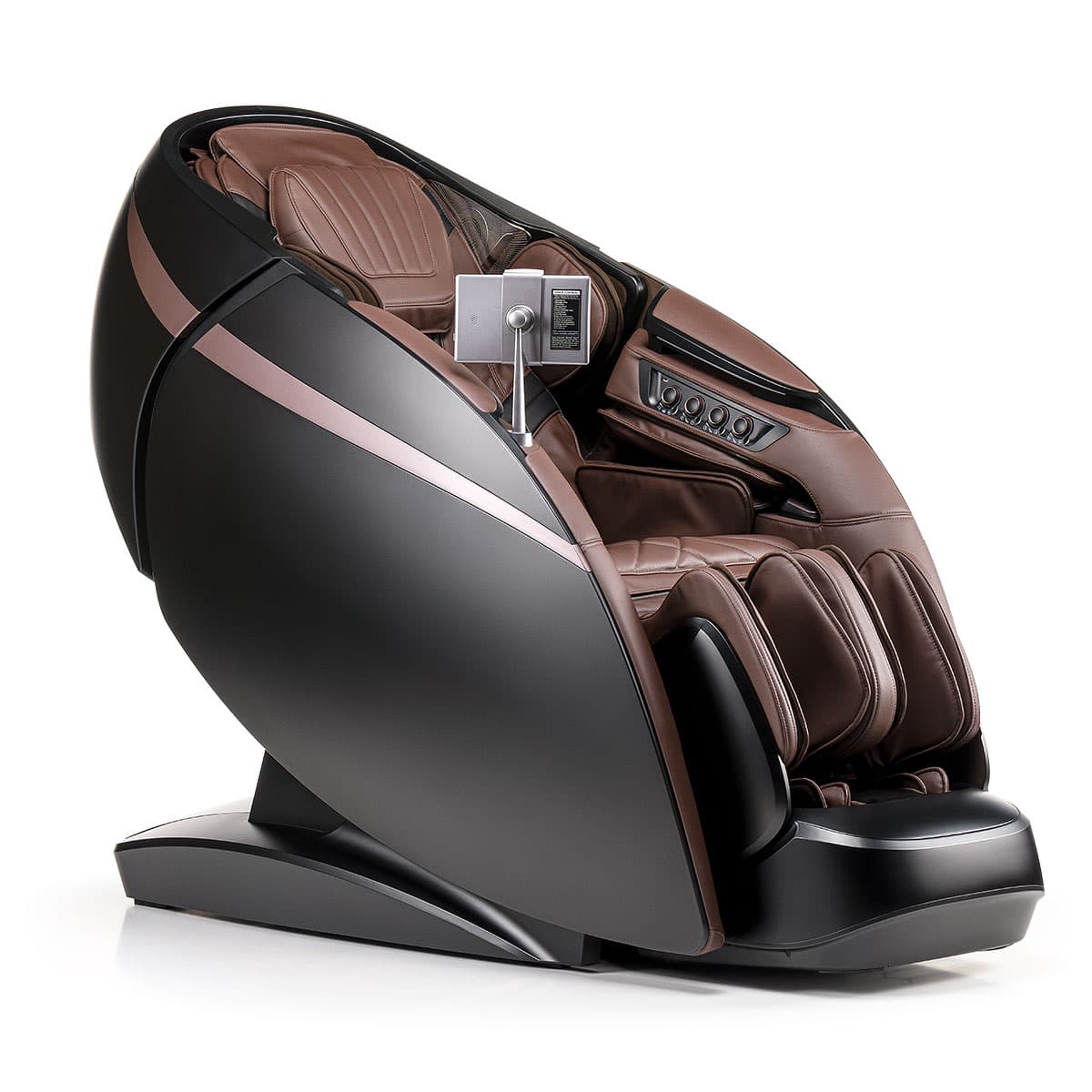
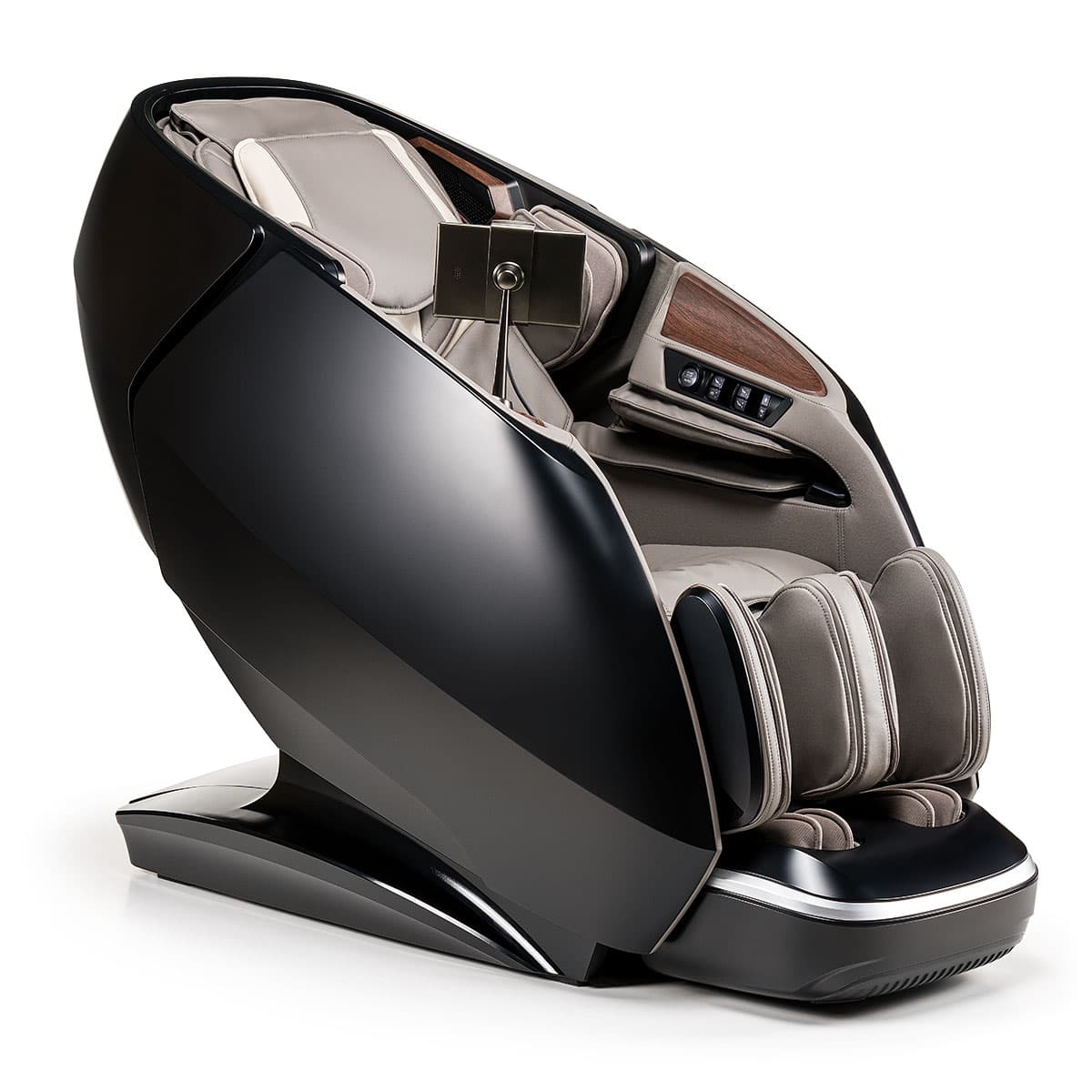
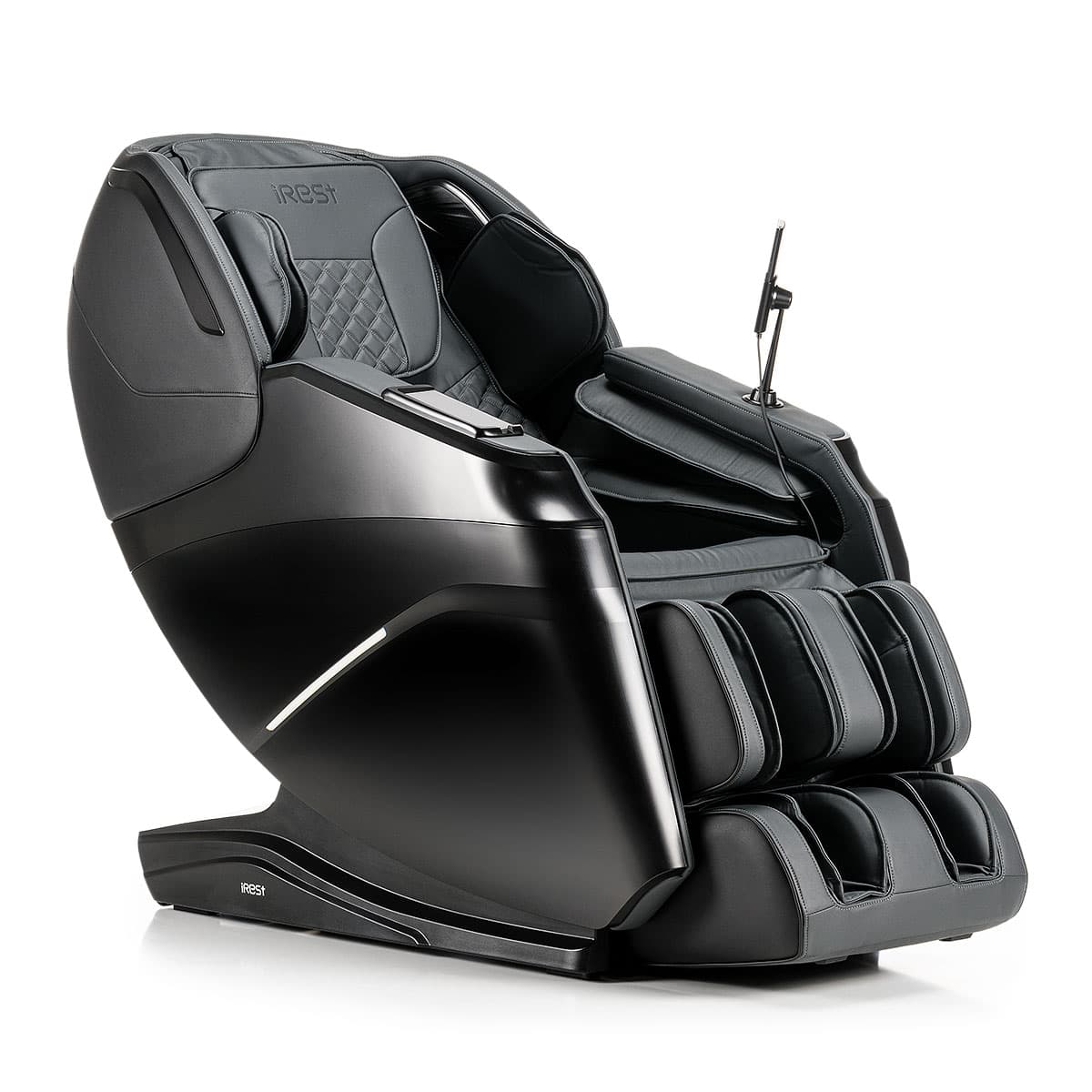
Three chairs from our range, from entry level to flagship, with prices and specifications.
More from the blog
How much does a massage chair cost and why
Massage chair prices vary widely for real reasons. Learn what actually drives the cost and how to judge value instead of just price.
Massage chairs for seniors and active athletes: same product, different needs
Older users and athletes need very different things from a massage chair. Here's how to check if a model covers both.