
How much does a massage chair cost and why
Massage chair prices vary widely for real reasons. Learn what actually drives the cost and how to judge value instead of just price.
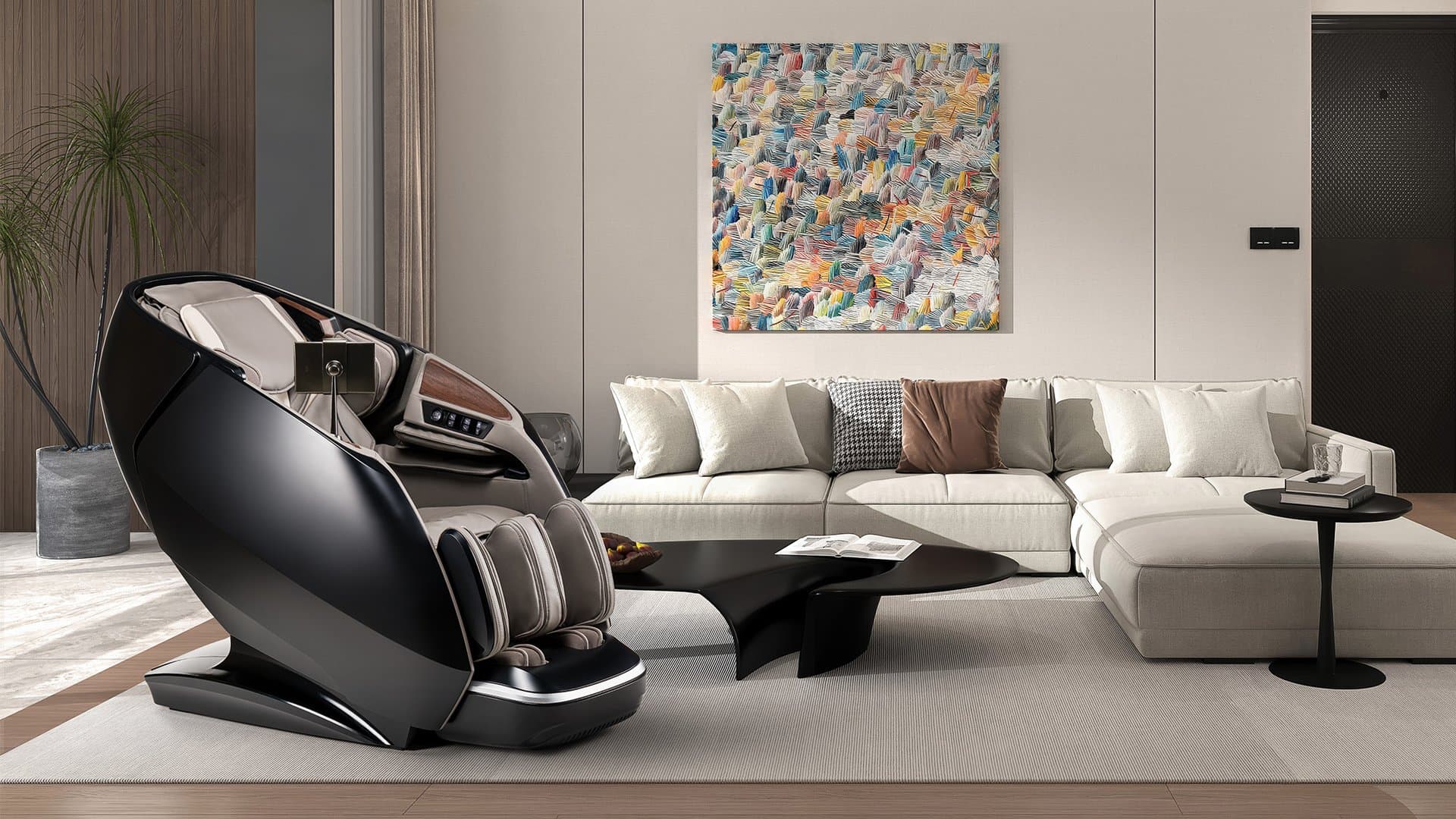
Massage chair prices differ far more than most buyers expect, and the reason rarely comes down to branding alone. What actually drives the final price is the type of mechanism, the range of functions, the quality of materials, and the length of the rail that powers the massage mechanism. If you compare chairs by a single number on a price tag, you're doing yourself a disservice. Two chairs that look similar in photos can deliver completely different experiences and completely different lifespans.
You won't find made-up price ranges here, or claims about the "cheapest chair on the market." Instead, let's look at which features actually push the price up or down, and how to judge whether a given model is worth what it costs.
Why prices vary so much
A massage chair isn't a single product. It's an assembly of dozens of components that need to work together, reliably, through thousands of cycles. Differences in price between entry-level and advanced models mostly come down to how many of these components are included and how well they're built.
Cheaper chairs often use simpler mechanics with fewer axes of movement, thinner padding, and less powerful motors. That doesn't automatically make them bad. It does mean the range of functions is narrower, and the massage itself may feel less precise or less adaptable to different body types.
The rail and massage depth
The length and shape of the rail that guides the massage mechanism directly affects how much of the spine the chair actually covers and how naturally it follows its curve. A longer, anatomically shaped rail costs more to manufacture, but it delivers massage from the neck down to the thighs without gaps. Shorter rails are cheaper but cover a smaller area.
Number and type of massage techniques
Basic chairs offer a limited set of programs, while more advanced models combine several techniques: kneading rollers, tapping, airbag compression, stretching. Each additional technique needs its own mechanism or sensor, and that shows up in the price.
Airbags and compression
The number and placement of airbags across the arms, legs, hips, and shoulders is one of the key cost factors. More independently controlled airbags mean more precise compression massage, but also more expensive pneumatics and control electronics.
Heating and extra features
Infrared heating, zero gravity recline, bluetooth speakers, foot warmers and similar extras tend to show up mostly on higher-end models. Every added feature adds development and manufacturing cost, so it's worth thinking about which ones you'll actually use.
Materials and upholstery
All HEKO and iRest chairs are upholstered in quality synthetic leather, which is durable, easy to clean, and holds up well to daily use. Differences between models show up in the thickness of the foam padding, the density of the upholstery, and the durability of the stitching, all of which affect long-term comfort and appearance.
Warranty and after-sale support
A longer warranty period and access to local service in Slovenia aren't free add-ons, they're part of what you're paying for. An official distributor with a local spare parts stock is often worth the price difference, since you won't be waiting weeks for a part shipped from abroad if something breaks.
Judging value, not just price
Instead of asking "what's the cheapest chair available," ask yourself "what would a wrong choice actually cost me." A chair that stops working properly after two years, or one that doesn't fit your height, ends up more expensive than a pricier model that lasts a decade.
A few questions worth asking before you decide:
- Does the chair cover the massage techniques you actually need, based on your body and habits?
- Is the rail long enough for your height?
- What does the warranty cover, and where's the nearest authorized service point?
- Is the upholstery built for years of daily use?
The answers to these questions tell you more about a chair's real value than the number on its price tag ever will.
Why comparing spec sheets isn't enough
Two chairs can list identical features on paper and still feel completely different to sit in. Motor quality, the precision of body-scanning sensors, and how quietly the mechanism runs don't show up in a spec table. That's part of why trying a chair in person is often the only real way to know what you're buying.
How HEKO helps you find the right value
Rather than leaving you to compare ten different models on your own, HEKO advises based on your actual needs, your height, and the space you have at home. A personal recommendation takes real circumstances into account, not just a list of features on paper.
If you're starting to look, check the chair overview first, where exact prices and specifications are listed for each model. For personal advice on which model fits your needs and budget best, submit an inquiry and you'll receive a concrete offer with no obligation.
If at all possible, take the time to try a chair in person too. The feel of a massage is personal, and a few minutes sitting in the chair tells you more than any spec sheet ever could.
The HEKO team
Frequently asked questions
- Does a cheaper massage chair mean lower quality?
- Not necessarily, but it usually means a narrower set of features, a shorter rail, or fewer airbags. A cheaper model can be a great choice if it covers the techniques you actually need and fits your height. What matters is comparing features against your needs, not just the price tag.
- Does a higher price always mean a better massage?
- Not automatically. Price depends on a combination of techniques, materials, warranty, and extra features, but how a massage feels is subjective. That's why we recommend trying a chair in person before buying, since a pricier model isn't necessarily the better fit for your body or habits.
- Where can I find exact prices for specific models?
- Exact prices and specifications for each model are published on the chair overview page. For a personal offer tailored to your needs and space, submit an inquiry and you'll receive concrete information with no obligation to purchase.
Would you like advice?
We help you pick the right model for your needs, height and space. Advice with no obligation.
The collection
The iRest models we write about
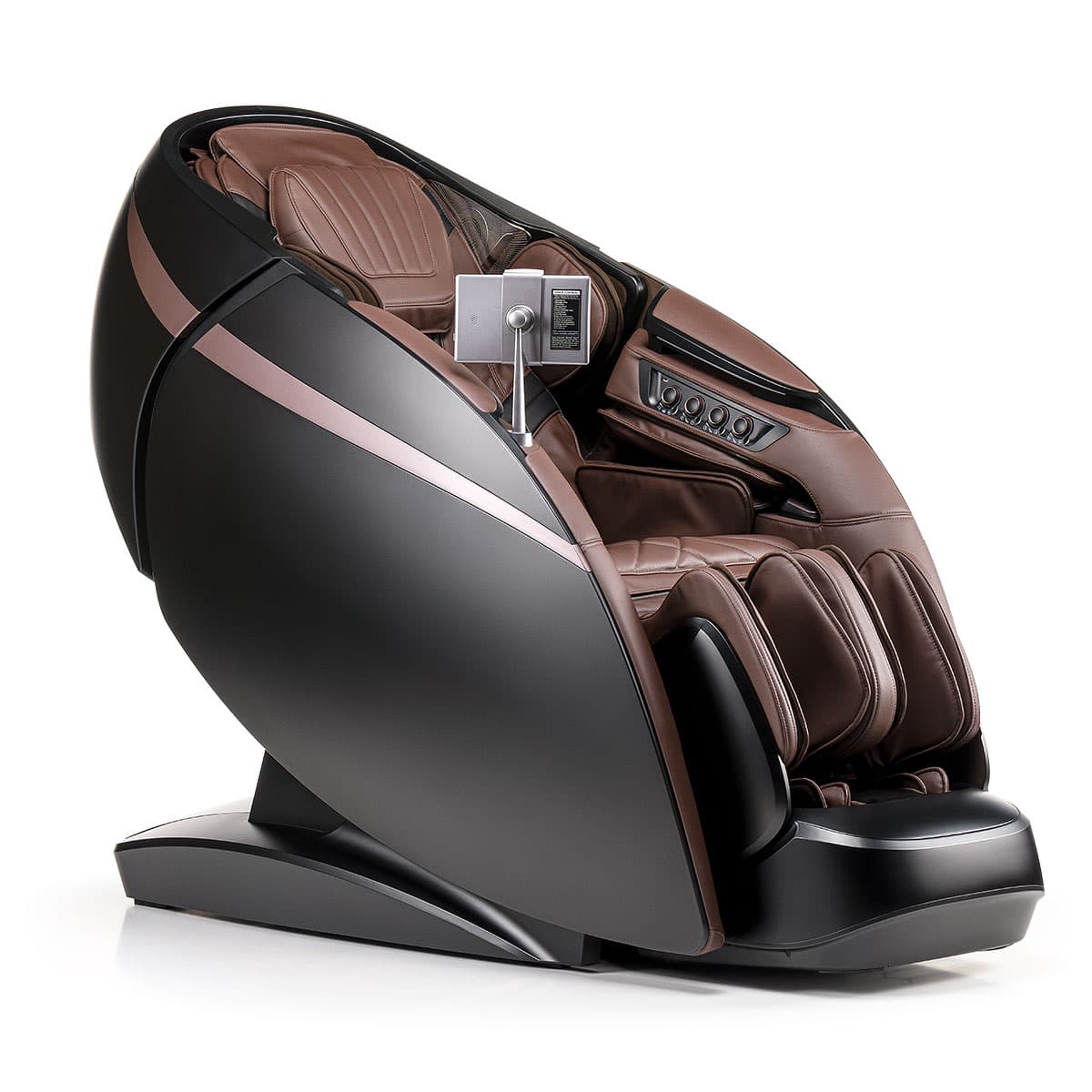
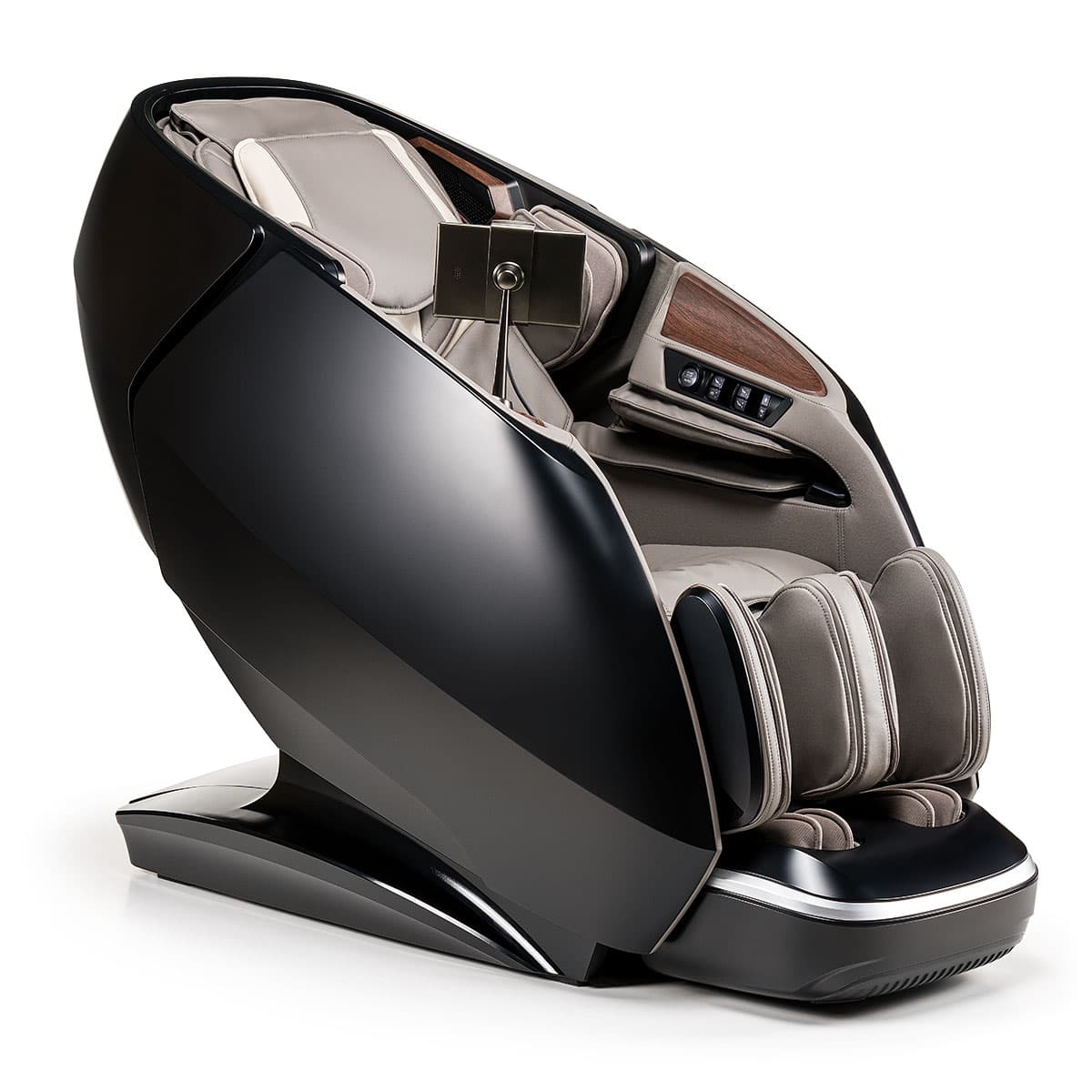
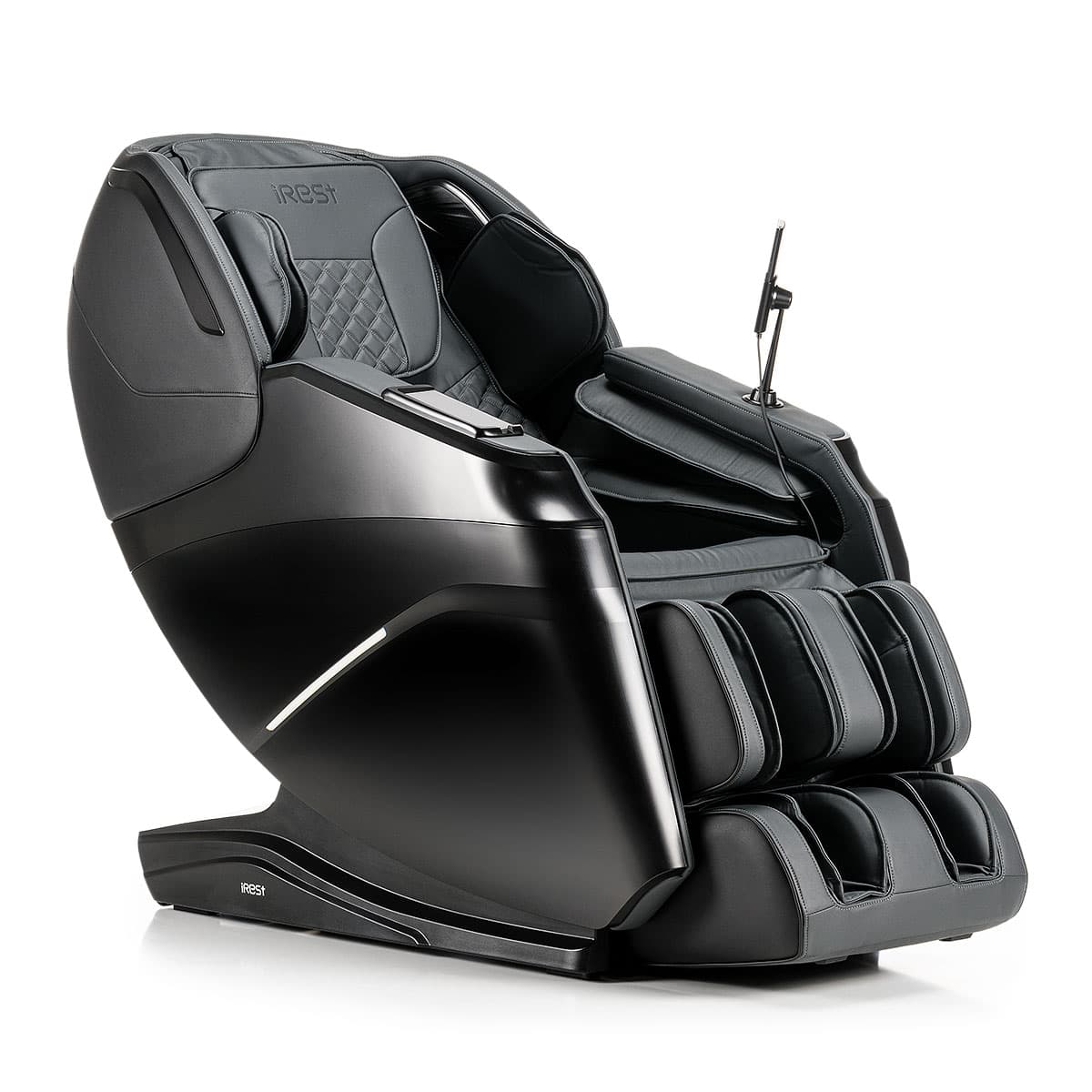
Three chairs from our range, from entry level to flagship, with prices and specifications.
More from the blog
Massage chairs for seniors and active athletes: same product, different needs
Older users and athletes need very different things from a massage chair. Here's how to check if a model covers both.
SL track and airbags: what really determines massage quality
The track shape and airbag layout affect massage quality more than the number of programs. Here's why it matters.