
Does a massage chair help with back pain?
Lower back pain is one of the most common reasons for buying a massage chair. When massage genuinely helps, what to look for, and when it is wiser to consult a professional first.
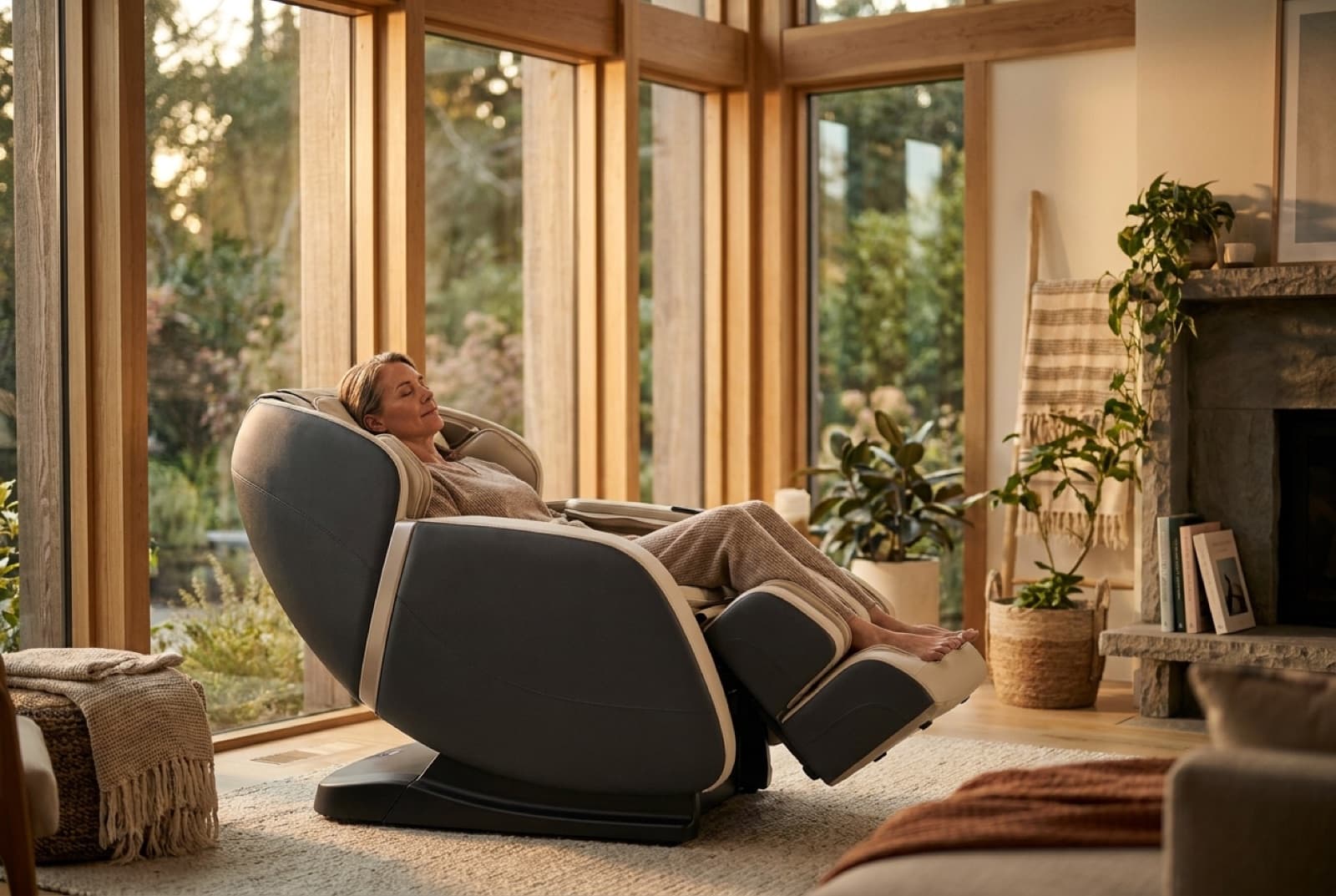
Lower back pain is one of the most common reasons people first start thinking about a massage chair. We sit at a desk all day, the muscles along the spine shorten and tighten, and by evening it shows up as a dull tension in the lower back. The question is a fair one: does a massage chair genuinely help, or is it just comfort.
Why the back hurts in the first place
Most everyday back pain is not caused by a serious injury, but by overworked, tense muscles. Long hours of sitting, little movement and poor posture keep the muscles along the spine under constant strain. Circulation drops, tension builds, and it feels as though the back never truly rests.
How a massage chair affects tension
A good massage chair works in several ways at once. Rollers knead and stretch the muscles along the spine, releasing tightness and improving circulation. Heat therapy further softens tense areas. The zero gravity position distributes body weight evenly and briefly relieves pressure on the spinal discs, something many describe as the back finally being able to breathe.
Regular, short sessions help break the cycle of tension: muscles relax, circulation improves, the body settles more easily. For many people that is the difference between an evening with pain and an evening without.
Consistency matters. Ten or fifteen minutes every day usually does more than one long session a week. The body gets used to regular relief, and tension never builds to the point where it turns painful. That is exactly the advantage of a chair at home: it is there when you need it, with no booking and no waiting.
When it helps and when to check first
For ordinary muscle tension and desk fatigue, a massage chair often brings noticeable relief. An honest distinction matters, though: with an acute injury, pronounced sciatica, inflammation or unexplained sharp pain, massage is not the first step. In those cases, consult a doctor or physiotherapist first, and only then consider regular relaxation at home.
What to look for when choosing
If the back is your main concern, pay attention to a few things. More precise mechanisms (3D and 4D) follow the curve of the spine better and adapt to your build. A longer roller track that reaches from the neck down to the lower back covers exactly the area that most often hurts. Heating and a well executed zero gravity position are frequently what makes the biggest difference for relieving the lower back.
Which combination is right for you depends on your height, weight and how often you will use the chair. That is exactly why it pays to compare models calmly and around your own needs. You will find an overview of every model among the massage chairs, and if you would like us to work through what would suit your back best, we advise you with no obligation via an enquiry. Best of all, simply try a chair in person and feel the difference yourself.
The HEKO team
Would you like advice?
We help you pick the right model for your needs, height and space. Advice with no obligation.
The collection
The iRest models we write about
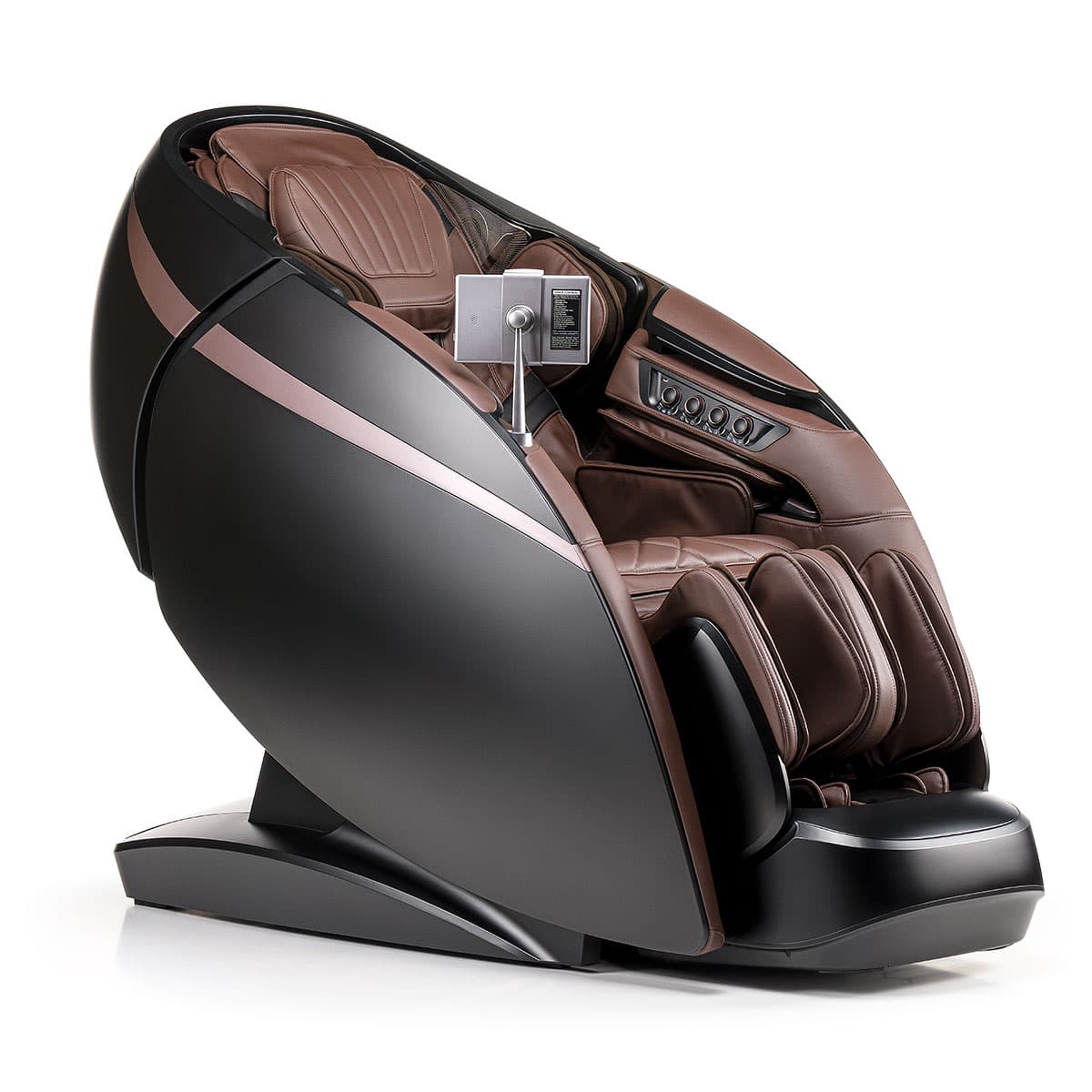
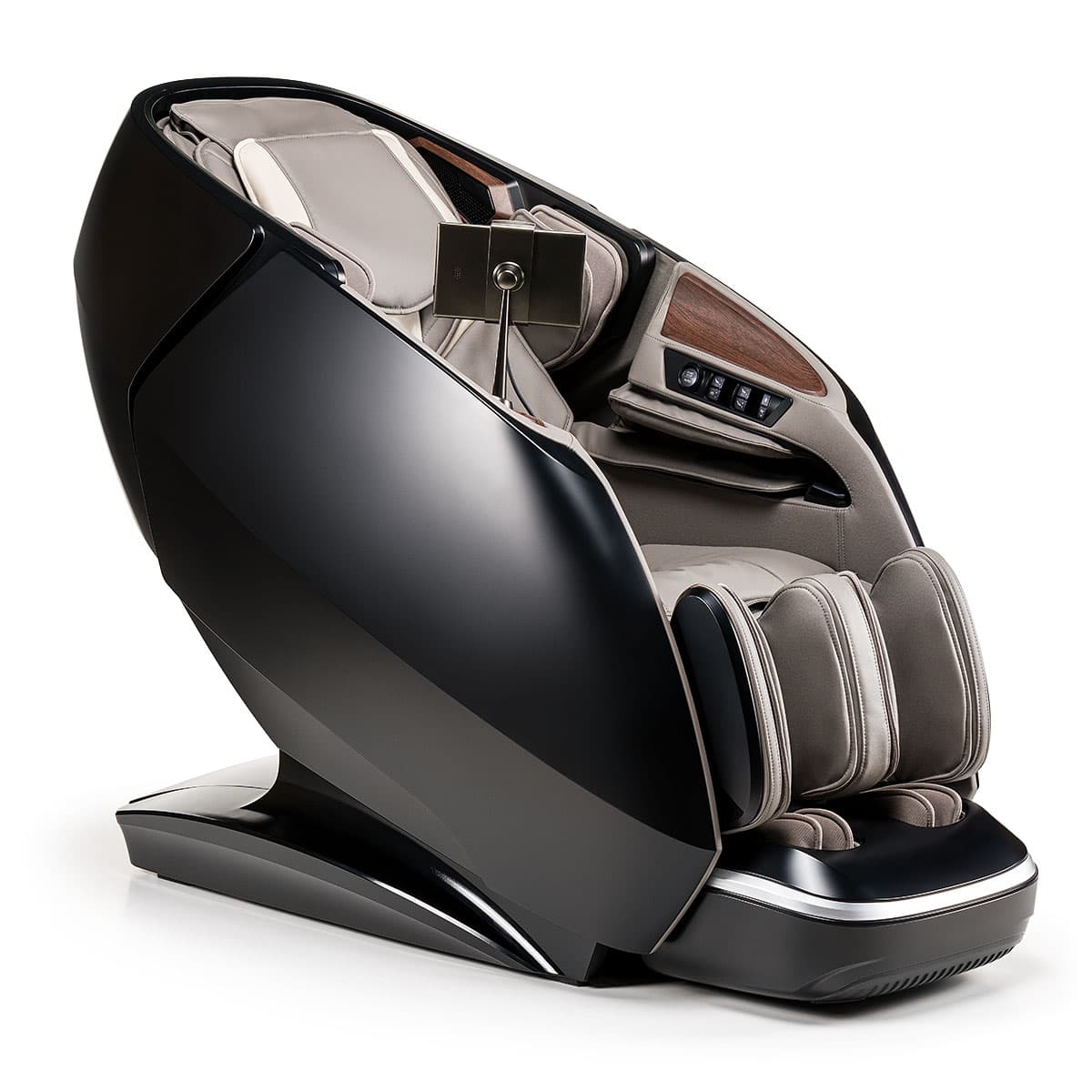
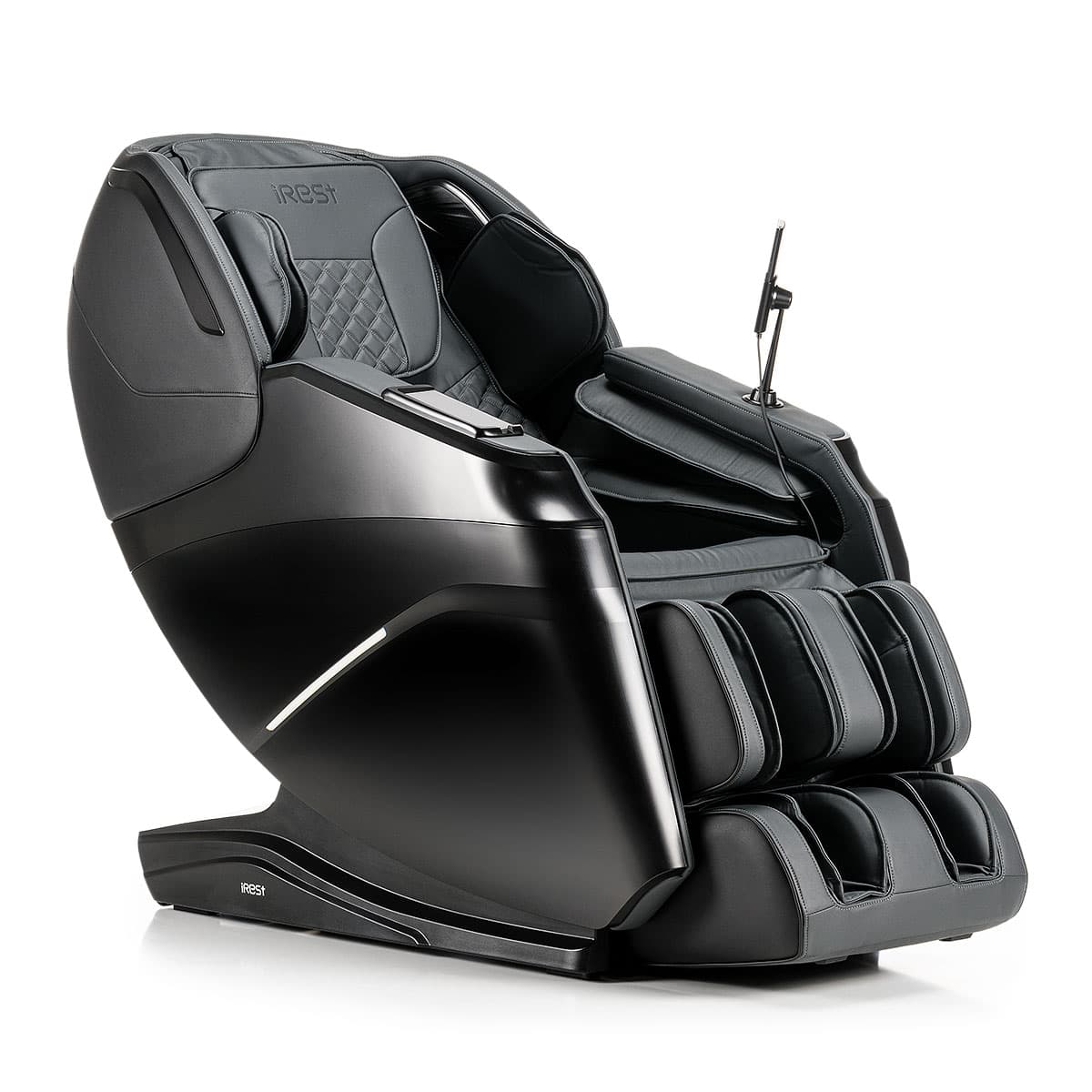
Three chairs from our range, from entry level to flagship, with prices and specifications.
More from the blog
How much does a massage chair cost and why
Massage chair prices vary widely for real reasons. Learn what actually drives the cost and how to judge value instead of just price.
Massage chairs for seniors and active athletes: same product, different needs
Older users and athletes need very different things from a massage chair. Here's how to check if a model covers both.