
SL track and airbags: what really determines massage quality
The track shape and airbag layout affect massage quality more than the number of programs. Here's why it matters.
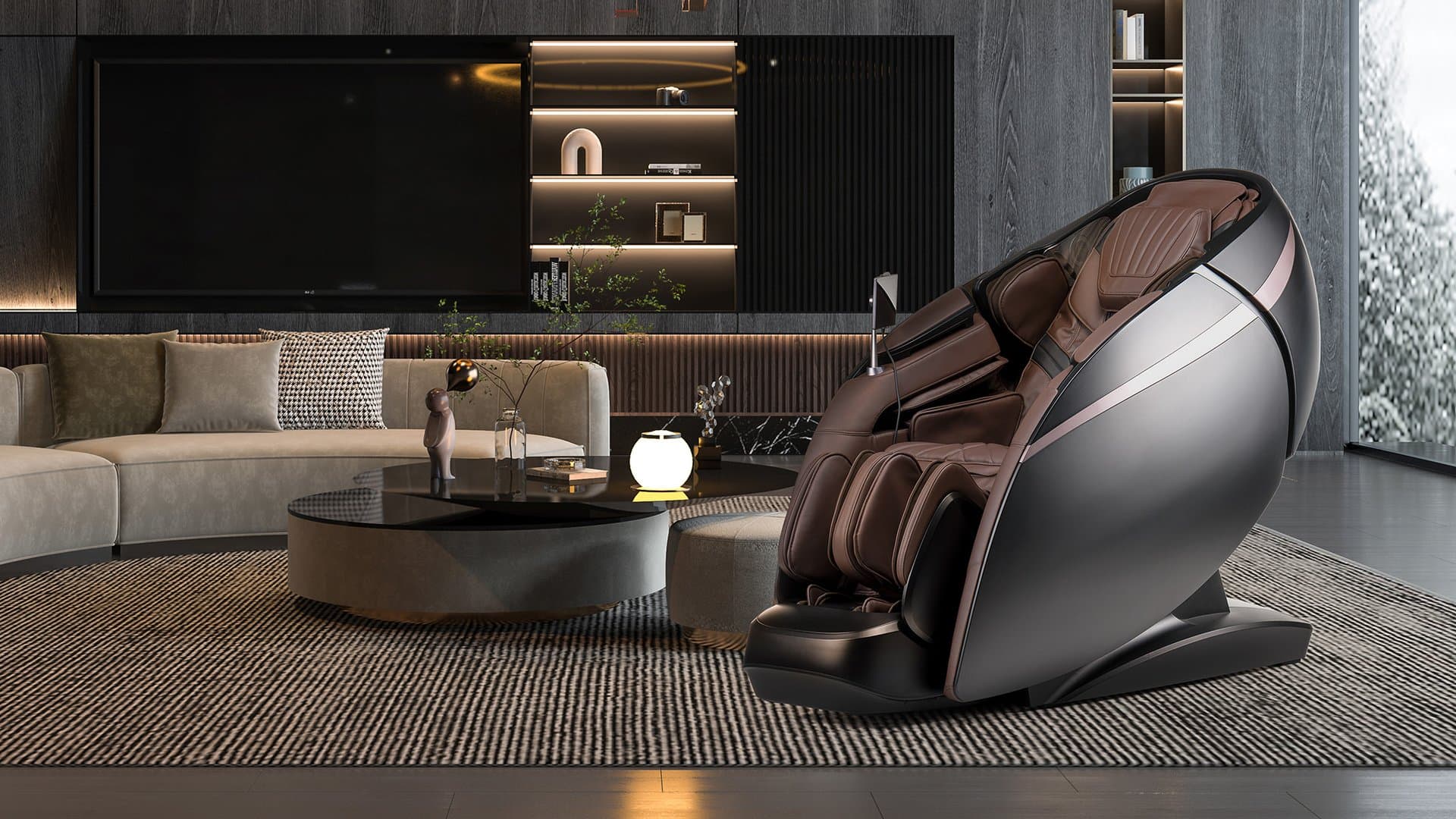
The shape of the massage track and the layout of the airbags are among the most important, yet least visible, features of a massage chair. An S or L shaped track lets the mechanism follow the spine's natural curve from neck to thighs, while airbags add compression that makes the massage feel complete rather than partial. Together they decide whether a massage works with your body or just moves across it.
Buyers often compare chairs by the number of programs, bold marketing words, or price range. Fewer people look closely at two technical details that actually shape the feel of a session: the track the massage heads travel on, and the placement of the airbags that squeeze your arms, legs, and hips. These two things determine whether the chair adapts to you, or the other way around.
Why the track shape isn't just a technical footnote
The spine isn't straight. It has natural curves in the neck, upper back, and lower back, and the pelvis sits at an angle relative to the spine. A straight track, common in older models, forces the massage heads to move along a single flat line. That means pressure ends up too strong in some spots and barely noticeable in others, simply because the heads can't match the body's curve.
An S-shaped track follows the spine's natural curve from the neck, across the shoulder blades, down to the lower back. The massage heads move closer to or away from your back exactly where the body's curve requires it, so the pressure stays even along the whole spine.
An L-shaped track doesn't end at the transition between the back and the seat. It continues underneath, so the massage heads travel on toward the glutes and upper thighs. This matters most for people who sit a lot and carry tension concentrated in the lower back and hips.
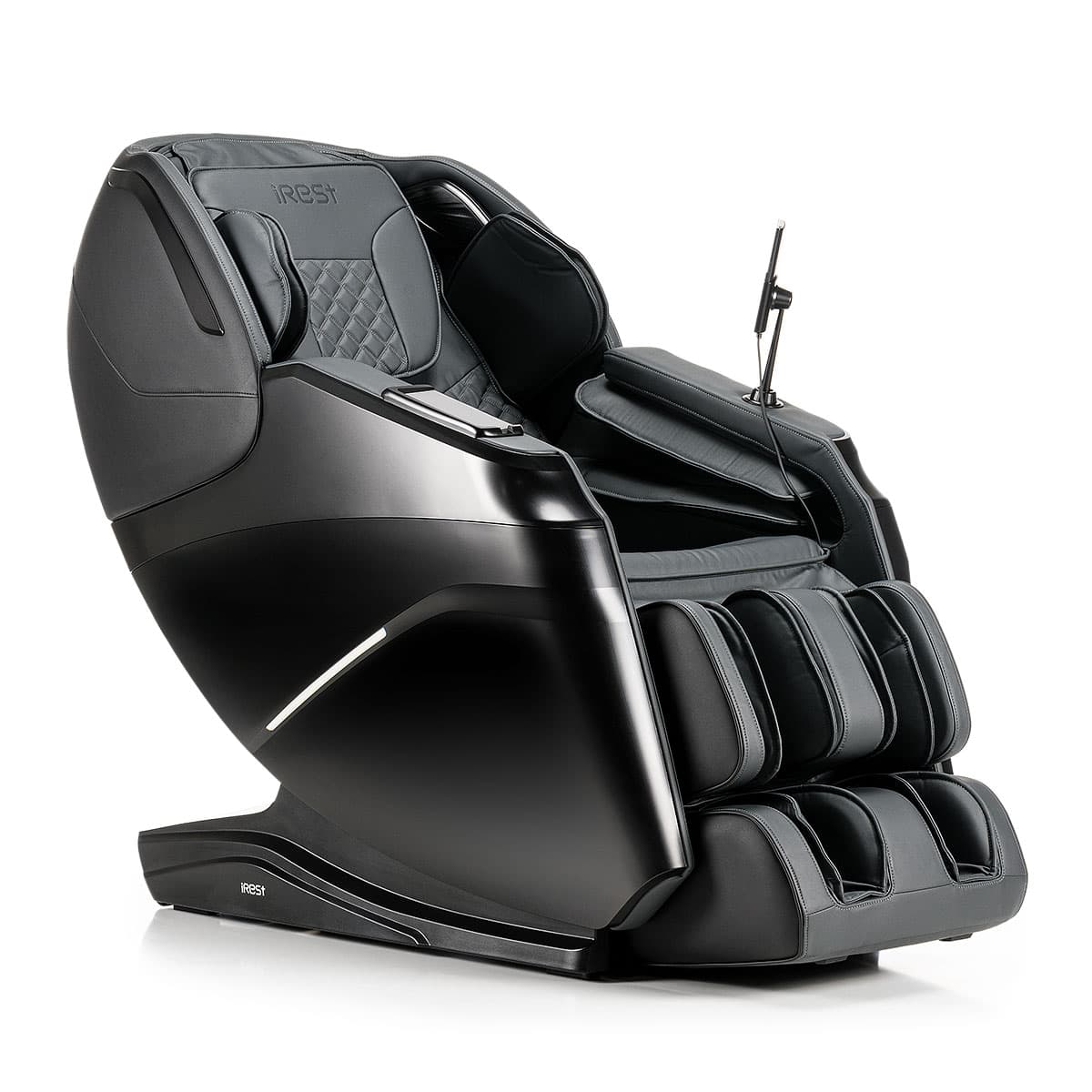
Modern models like those made by iRest combine both advantages in the SL track: it follows the spine's curve like an S and extends under the seat like an L, without sharp breaks. The result feels less like a sequence of presses at different heights, and more like one continuous motion from the neck to the thighs.
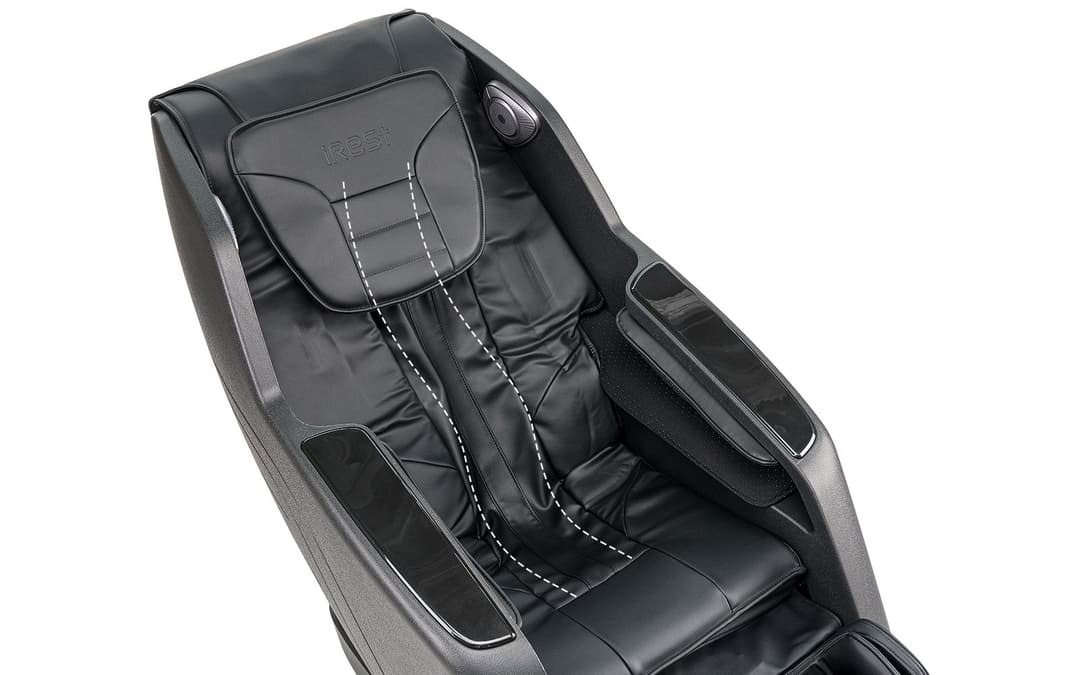
The difference is most noticeable for people with a pronounced spinal curve, above average height, or a sensitive lower back. For them, a straight or short track often means the massage heads press on the wrong spots, which can feel uncomfortable instead of relaxing.
Airbags: the compression layer that completes the mechanical part
The massage heads on the track handle kneading, tapping, and rolling along the back. Airbags do a different job: they inflate and deflate to create compression massage on parts of the body the mechanical rollers can't reach, such as the upper arms, forearms, hands, thighs, calves, and feet.
How many airbags a chair has, and where they're placed, directly affects how complete the massage feels. A model with airbags only on the calves treats a limited part of the body, while a model with airbags on the arms, legs, and hips creates the sense that the whole body is being worked on at once, not just the back.
Compression massage has another effect users often mention: it helps with the feeling of heaviness and tension in the legs after standing or sitting for long periods, since the alternating squeeze and release supports circulation in that area. That's why the number and placement of airbags matters at least as much as the type of mechanical massage on the back when choosing a chair.
How these two things combine into an actual feeling
Picture two chairs with the same number of programs. The first has a short, straight track and airbags only on the calves. The second has an SL track and airbags on the arms, hips, thighs, and feet. On paper they might look similar, but in practice the difference is huge: the first will mainly work the upper back, while the second creates the feeling that the chair wraps around your body from head to toe.
This is why spec sheets tell you less than they seem to. A track length in centimeters, or an airbag count in a table, doesn't tell you how the massage will actually feel on your body, because that also depends on your height, weight, and where you carry tension.
Why self-diagnosis is hard without a live comparison
Most buyers start by identifying where they feel the most tension: the neck, shoulders, lower back, or legs. That's a reasonable starting point, but only a starting point. The same chair model will feel different for two people of different heights, because the track and airbags aren't universally adjustable; they're built for a certain range.
That makes it hard to judge from a description or a video whether the track will actually follow your spine, or whether pressure will miss the key spots. The same goes for airbags: whether the arm airbags will land on the right part of your forearm depends on your build, not just the airbag count in the spec sheet.
This is usually where post-purchase disappointment happens: a buyer picks a chair based on the number of features, then finds at home that the massage doesn't cover the area where tension actually sits. Fixing that mistake afterward costs more time and money than taking one extra step before buying.
How HEKO helps with this decision
At HEKO we don't leave you to figure this out from a spec table alone. As the official iRest distributor in Slovenia, we know the differences between track shapes and airbag layouts, and we can tell you which model actually fits your build and the areas where you carry the most tension.
If you'd like personal advice based on your height, weight, and problem areas, fill out the inquiry form and we'll set up a free consultation. To browse models with different track shapes and airbag counts, check out our chair lineup. Where possible, we also recommend trying a chair in person at one of our showroom locations, since that tells you more than any spec sheet can.
What to check if you're already close to a decision
If you're deciding between two models, check the following:
- whether the track shape (straight, L, S, or SL) actually reaches the area where you carry the most tension, such as the lower back or upper thighs;
- whether the airbags are placed in the areas that matter to you: arms, legs, hips, or feet;
- whether the track length suits your height, since this is often listed in the specs as a range.
These three points are a more reliable indicator of massage quality than the total number of programs or the marketing names given to individual features.
The HEKO team
Would you like advice?
We help you pick the right model for your needs, height and space. Advice with no obligation.
The collection
The iRest models we write about
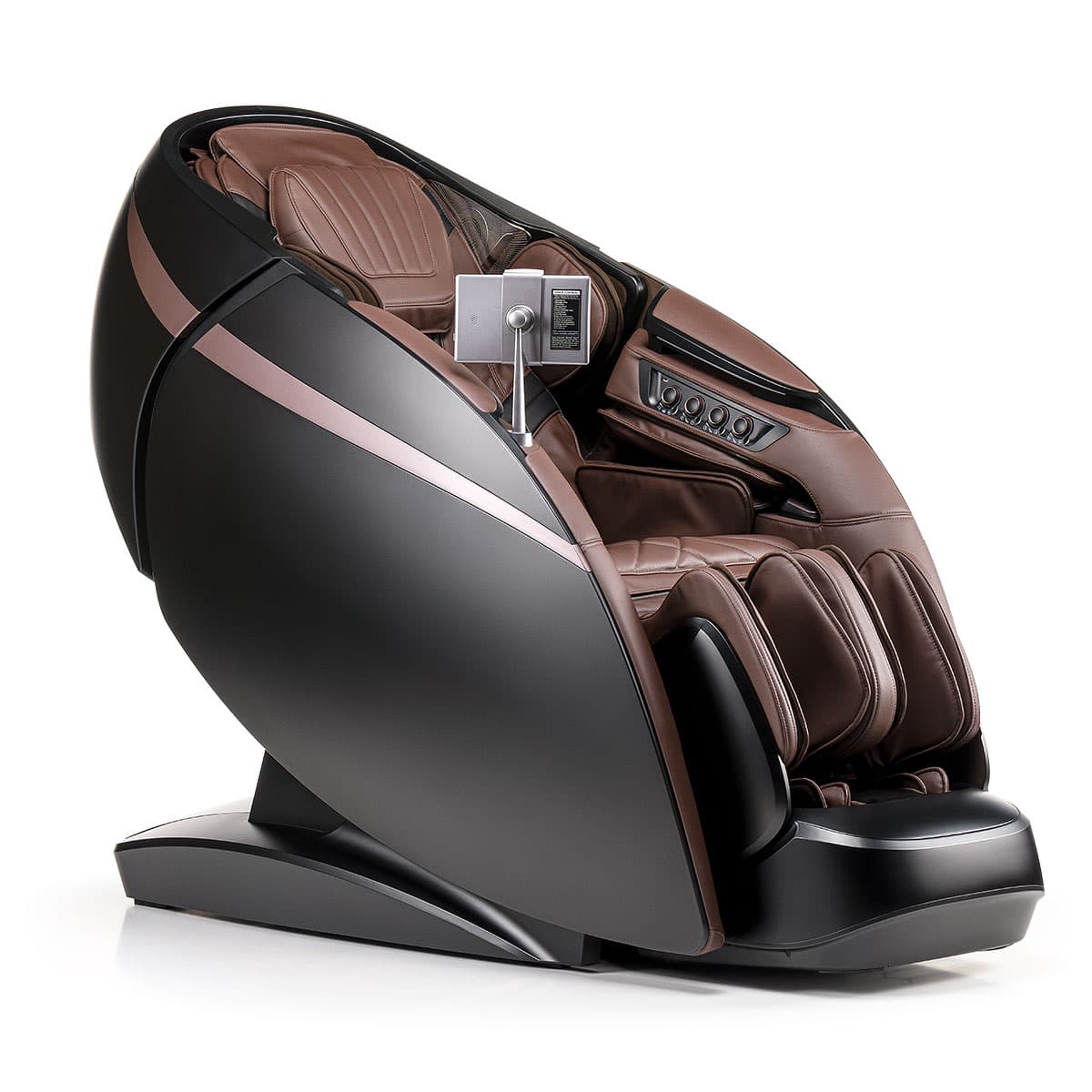
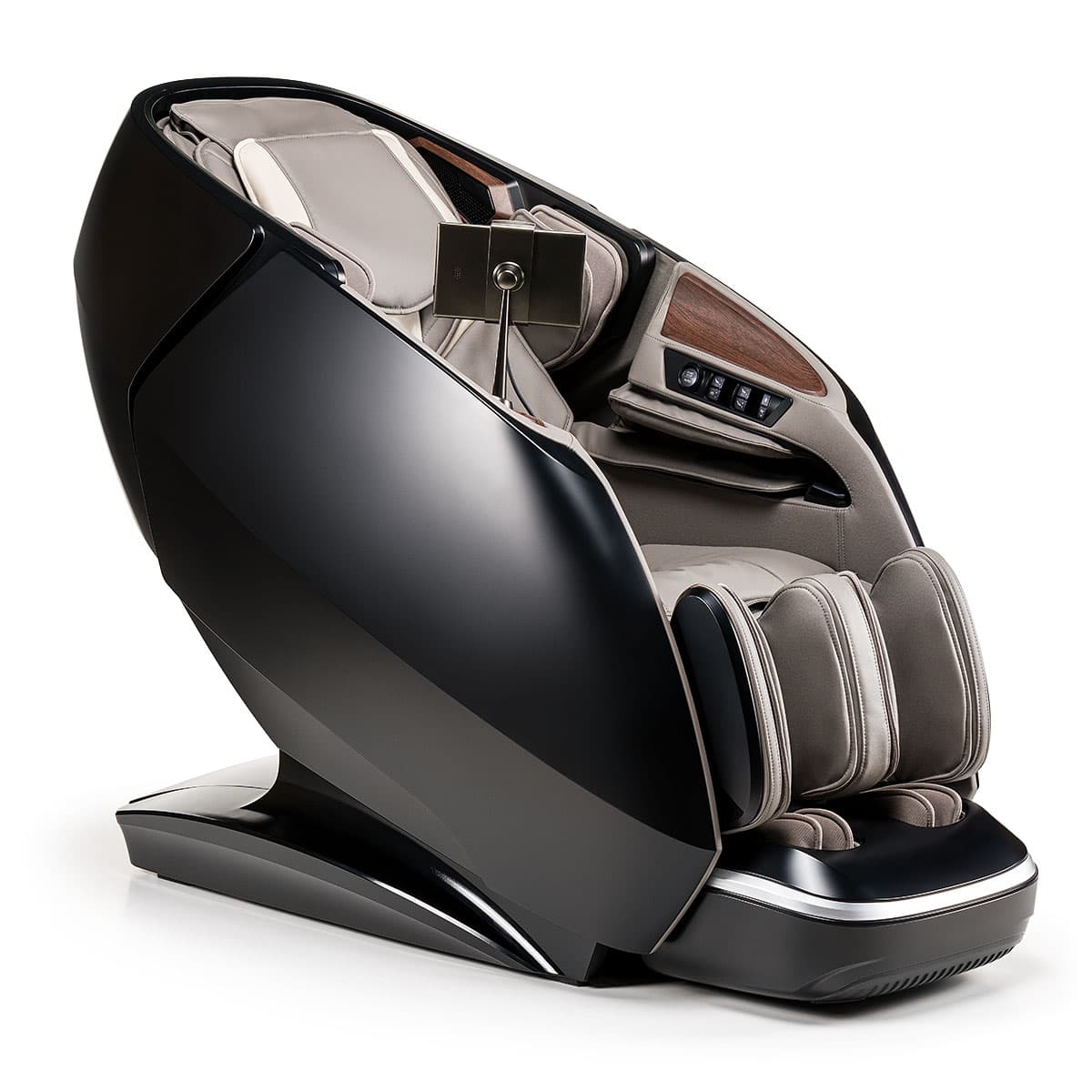
Three chairs from our range, from entry level to flagship, with prices and specifications.
More from the blog
When to consult a doctor before buying a massage chair
Pregnancy, a pacemaker, thrombosis, osteoporosis, diabetes. Which health conditions call for a doctor's advice before buying a massage chair, and what to ask.
How much does a massage chair cost and why
Massage chair prices vary widely for real reasons. Learn what actually drives the cost and how to judge value instead of just price.