
How much space does a massage chair need at home?
A massage chair is not just a piece of furniture against the wall. It extends and reclines in use, so space is the first question worth asking before you buy.
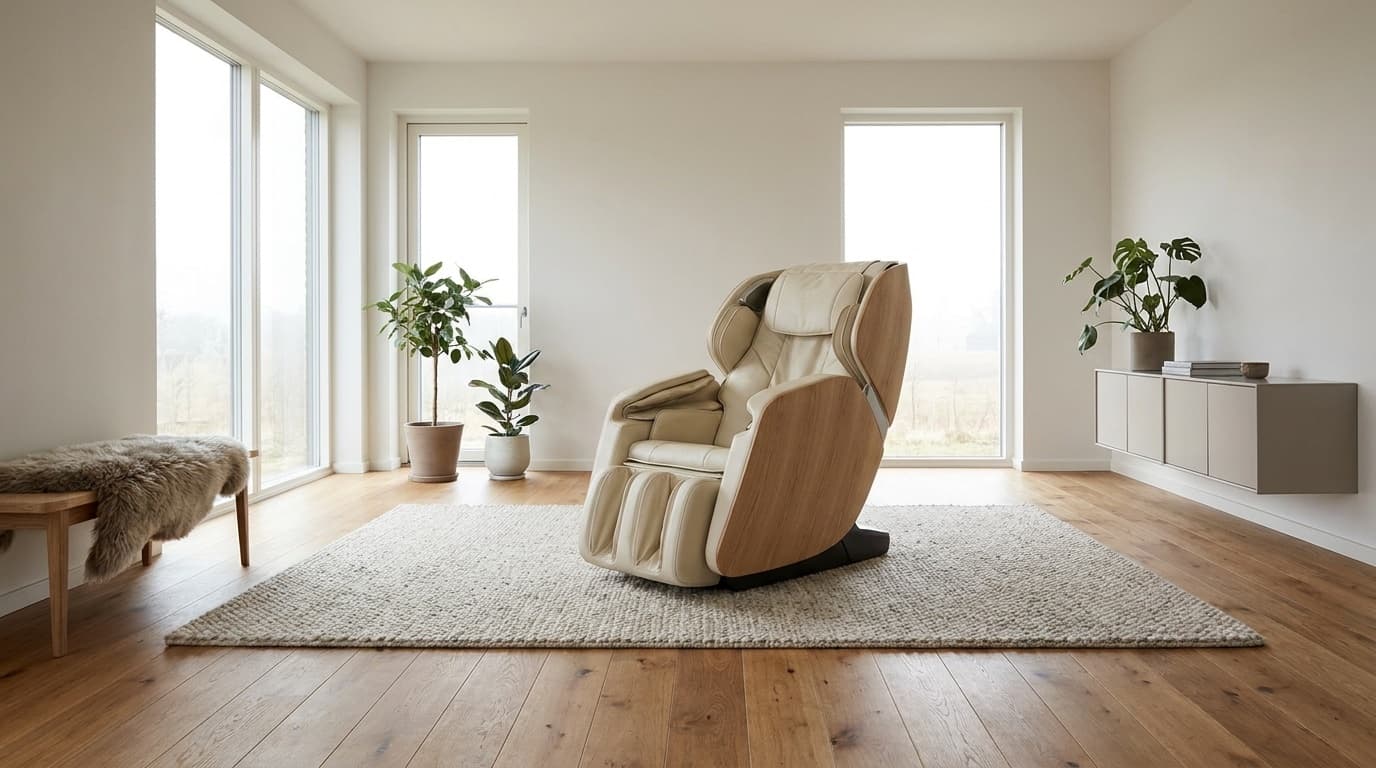
For most massage chairs, you should plan for roughly 180 to 200 cm of length and around 80 to 90 cm of width when the chair is fully reclined, while models with wall-hugging technology need only a few centimetres of clearance behind them. The key rule is simple: measure your space for the fully reclined position, not the seated one, because the chair extends and tilts back as it opens. This is the step most people overlook, and the result is a chair that cannot fully recline once it is in the room.
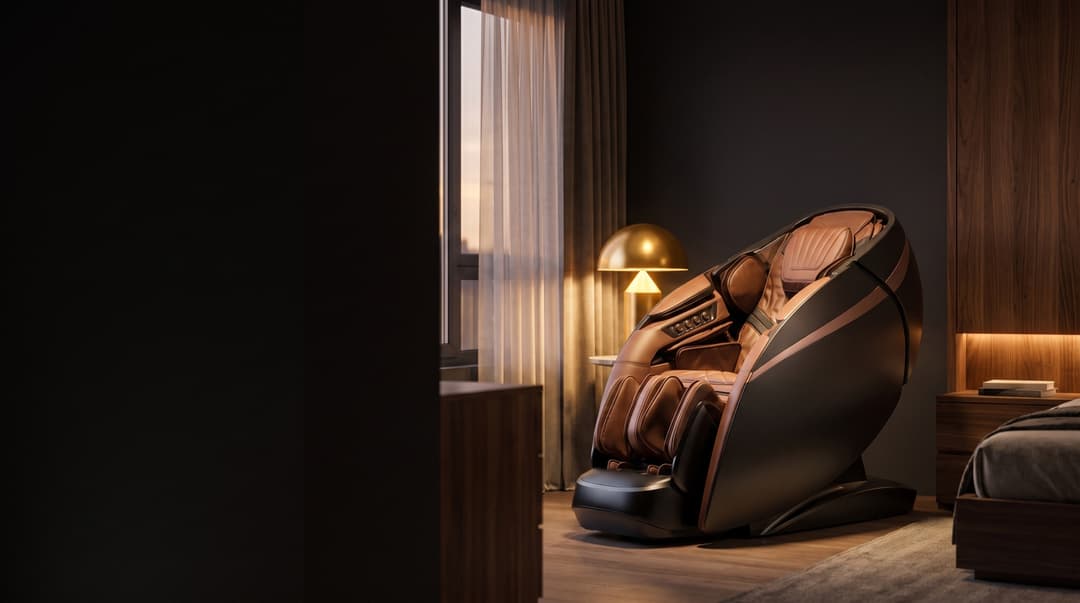
Why Space Is the First Question, Not the Last
Many people first choose the model, the colour and the features, and only check the space when the chair is delivered. By then it is often too late. A modern massage chair is not a fixed piece of furniture with constant dimensions. When you start it, the backrest tilts back and the footrest extends forward. The compact seat turns into an almost two-metre reclining surface.
If you measured your space only for the seated position, the chair simply will not recline all the way. That means you will never experience the programme you bought the chair for in the first place. The cost of this mistake is not just discomfort. It is a significant investment that does not work as it should in your space.
How Many Centimetres in Front and Above
When planning your space, think in three directions.
- Behind the chair: classic models move backwards as they recline, so they need 40 to 50 cm of clearance to the wall. Wall-hugging models reduce this gap to only a few centimetres.
- In front of the chair: the footrest extends forward, so allow an extra 40 to 60 cm of free floor space so your legs are not pressed against a table or shelf.
- Above the chair: in the upright position the backrest is higher than when reclined, but what matters most is the ceiling height and the access above the chair. In low attic rooms or under a sloped ceiling, check that the backrest can rise without obstruction.
Beyond the recline, think about everyday use as well. You need some room around the chair to get in and out, to clean, and to move it occasionally. A chair wedged into a corner between a cabinet and a radiator quickly becomes a nuisance, even if it technically reclines.
Wall-Hugging Technology: A Solution for Smaller Rooms
If you have a smaller home or want to place the chair closer to the wall, models with so-called wall-hugging technology are worth your attention. Instead of moving backwards as they recline, they glide forward. The entire backrest tilts into the space in front of the chair rather than behind it.
In practice this means you can place the chair just a few centimetres from the wall and still fully recline it. For tight living rooms, bedrooms and work corners, this is often the decisive difference between a chair that fits the room and a chair you simply have nowhere to put. This is exactly why, in smaller spaces, it makes sense to narrow your choice to these models from the start, rather than only when other options fall away.
The Weight of the Chair and Moving It Around
Space is not only a question of square metres, but also of the path to them. Massage chairs are heavy and often weigh well over a hundred kilograms. This affects two things.
First, delivery. Consider whether the chair will even fit through your front door, up the staircase or into the lift. A narrow hallway or a sharp turn on the stairs can be a bigger obstacle than the size of the room itself.
Second, later repositioning. Many chairs have small wheels that make it easier to shift them a few centimetres, for example when cleaning. That does not mean you will easily move them from room to room. So decide on a permanent spot before you buy and plan the chair as a fixed piece, not as an armchair you can simply move.
The Floor and Surface Under the Chair
An underrated factor is the surface underneath. Because of the weight and the vibrations during operation, marks can gradually appear on delicate floors. On parquet or laminate, consider a protective mat that distributes the load and prevents scratches when moving the chair.
The flatness of the floor matters too. The chair should stand on a firm, level surface, because on a thick, soft rug it can tilt slightly, which is not good for the feel or the mechanics over time. If you have underfloor heating, check whether the manufacturer recommends any restrictions on the permanent placement of heavy furniture.
The Most Common Mistake: Measuring Only the Seated Position
Everything usually goes wrong at one step. The buyer measures the space the chair takes up when you are only sitting in it. That is not enough. You have to fit the chair into the room as it will look during a massage, that is fully reclined, with the footrest extended and the backrest tilted.
A practical approach is to mark the footprint of the reclined chair for your chosen model on the floor with tape and live with that marking for a few days. You will quickly sense whether the path around the chair suits you and whether anything gets in the way of everyday use. This simple test tells you more than any precise number on paper.
How to Choose the Right Model for Your Room
Space and model are inseparably linked. A large room opens up almost every option, while a smaller one quickly narrows the choice to more compact chairs and wall-hugging models. This is exactly where expert guidance pays off, matching your room dimensions to suitable models from the very beginning.
If you are not sure how much space you really need for a particular chair, we are here to help. Take a look at our massage chairs and share the dimensions of your space with us. For a precise assessment there is also a free consultation, where together we find a model that will genuinely fit your home. Many people prefer to get a feel for it in person. See where to try a chair and how to arrange it.
A massage chair is an investment in everyday relaxation. For that investment to truly work, let space be the first question, not the last.
The HEKO team
Frequently asked questions
- How much wall clearance does a massage chair need?
- It depends on the model. Classic chairs need several dozen centimetres, while against-the-wall models work just a few centimetres from the wall because they glide forward as they recline.
- Do you deliver and set up the chair?
- Yes. We bring, carry in and set up the chair at your home, across Slovenia. Delivery can be free, but not always: it depends on the location and the chair you choose, and your offer states what applies to you. Before delivery we arrange a time and check access to the room.
Would you like advice?
We help you pick the right model for your needs, height and space. Advice with no obligation.
The collection
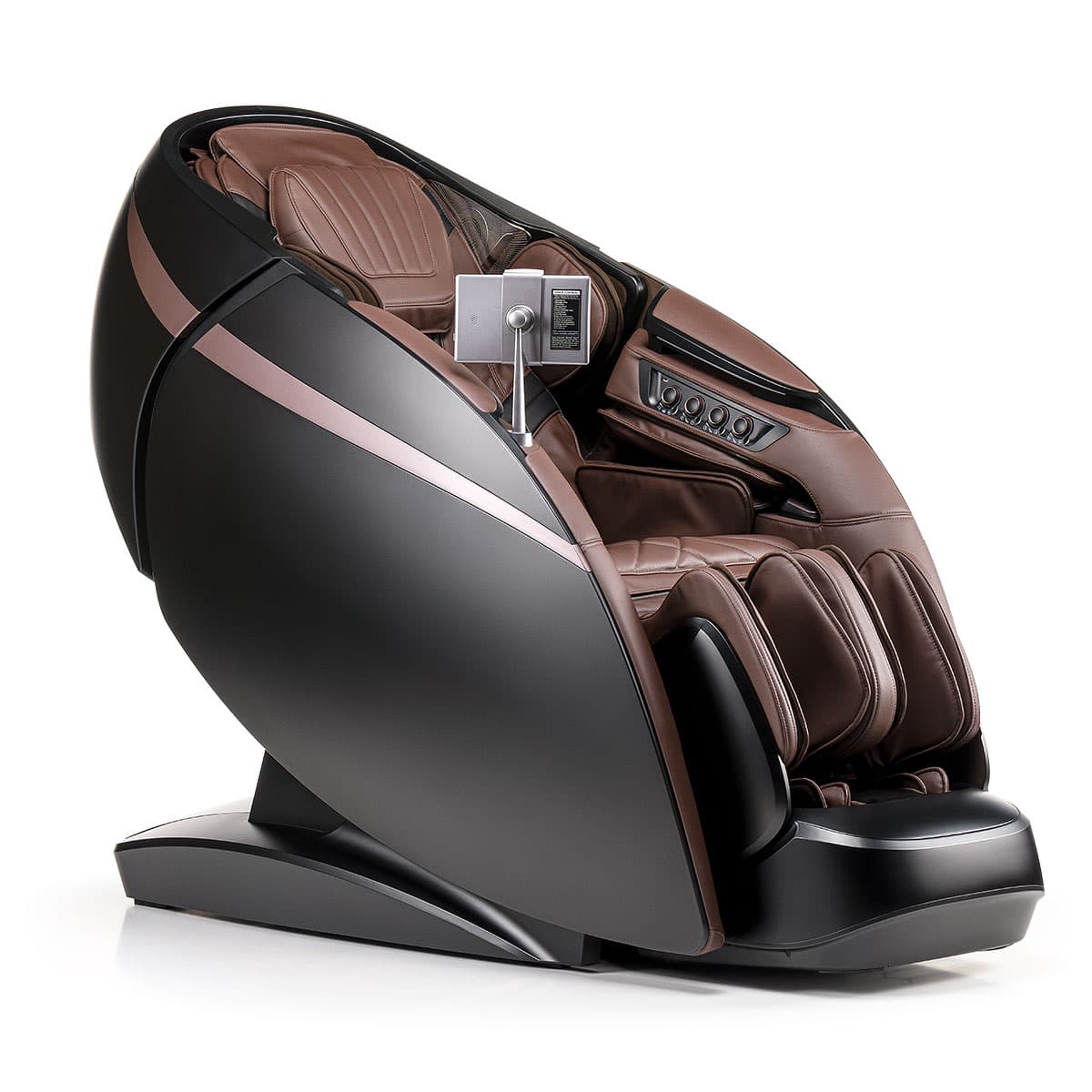
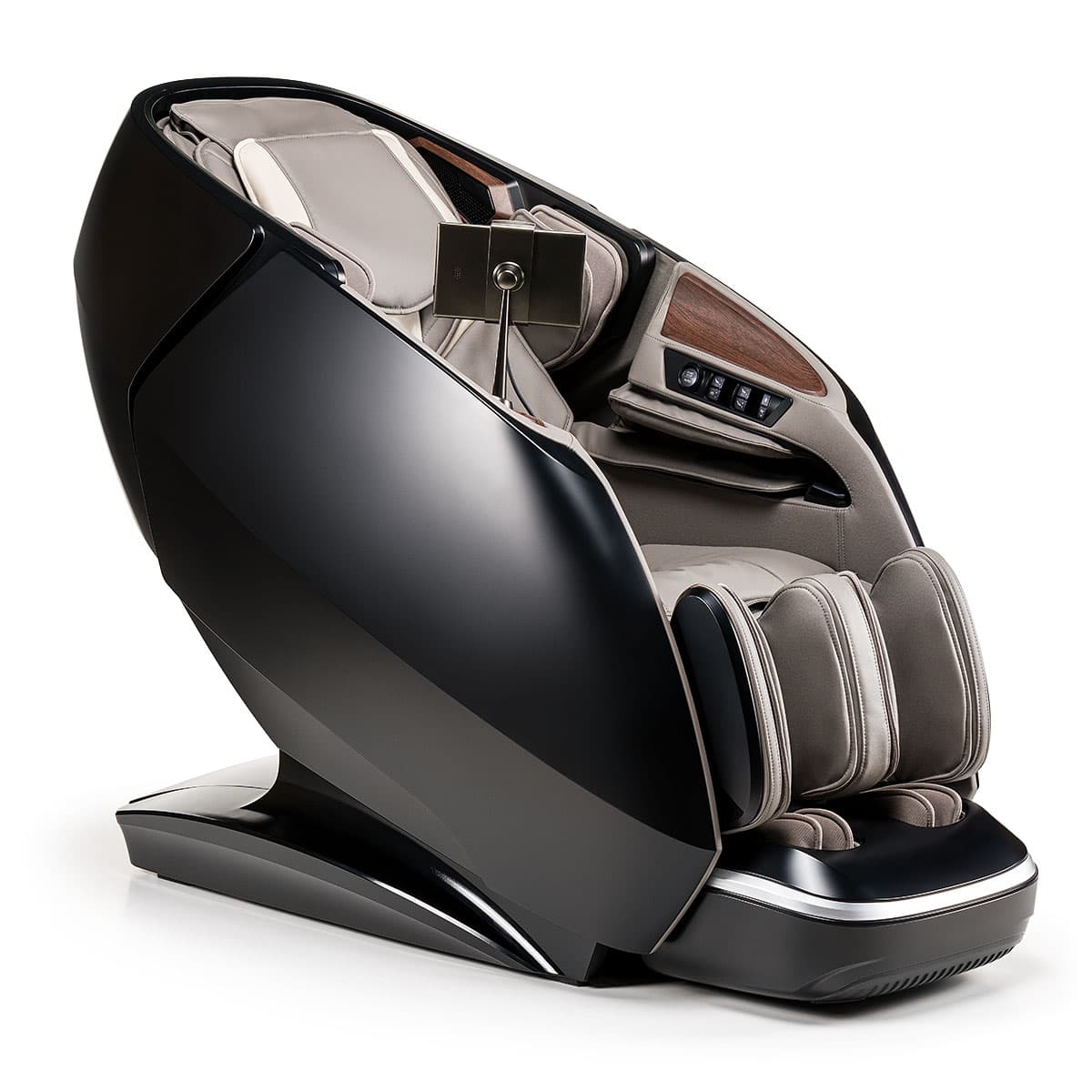
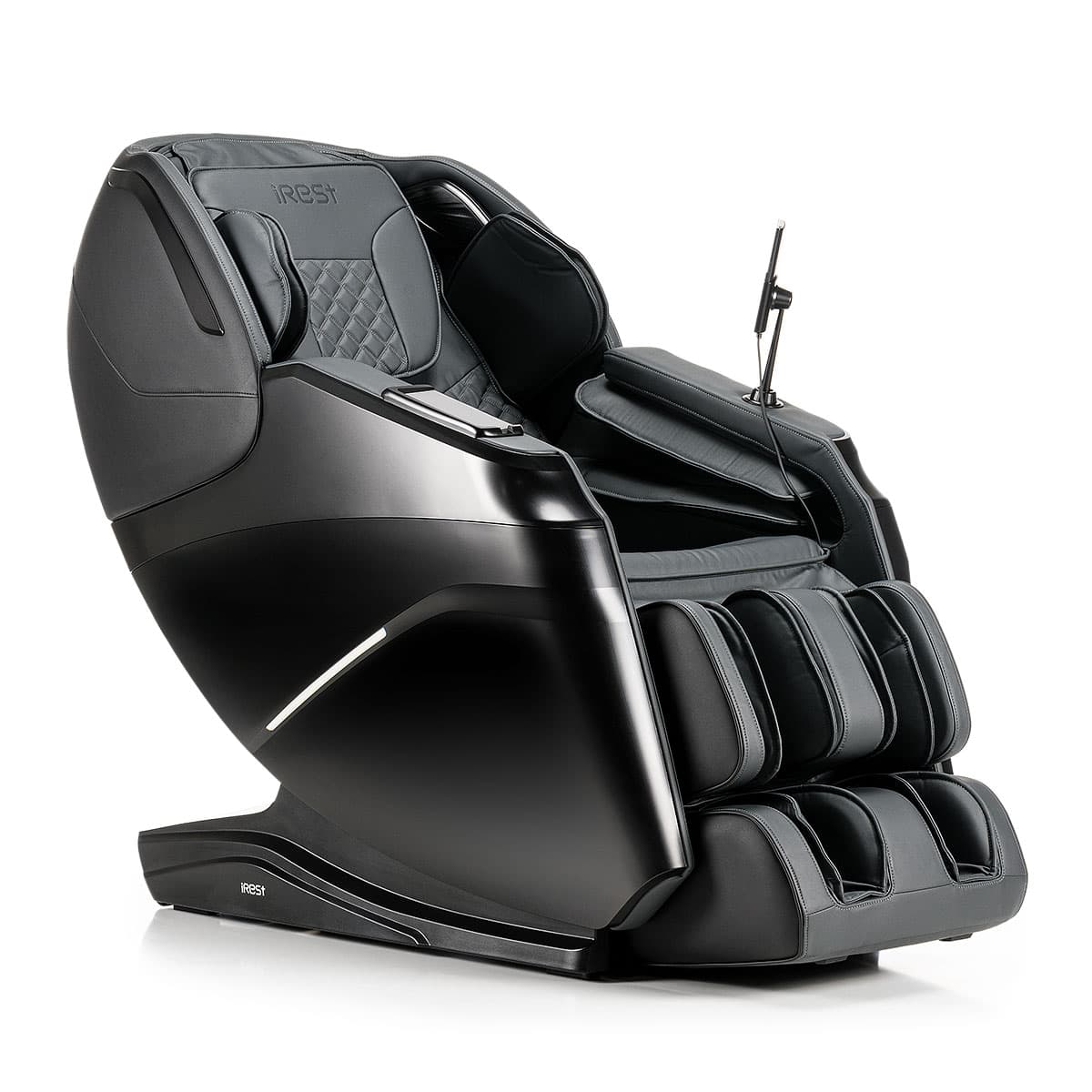
The iRest models we write about
Three chairs from our range, from entry level to flagship, with prices and specifications.
More from the blog
How much does a massage chair cost and why
Massage chair prices vary widely for real reasons. Learn what actually drives the cost and how to judge value instead of just price.
Massage chairs for seniors and active athletes: same product, different needs
Older users and athletes need very different things from a massage chair. Here's how to check if a model covers both.