
2D, 3D and 4D massage: what is the difference?
The labels 2D, 3D and 4D describe how many directions the massage rollers move in. Here is what that means for how a massage feels and which level is right for you.
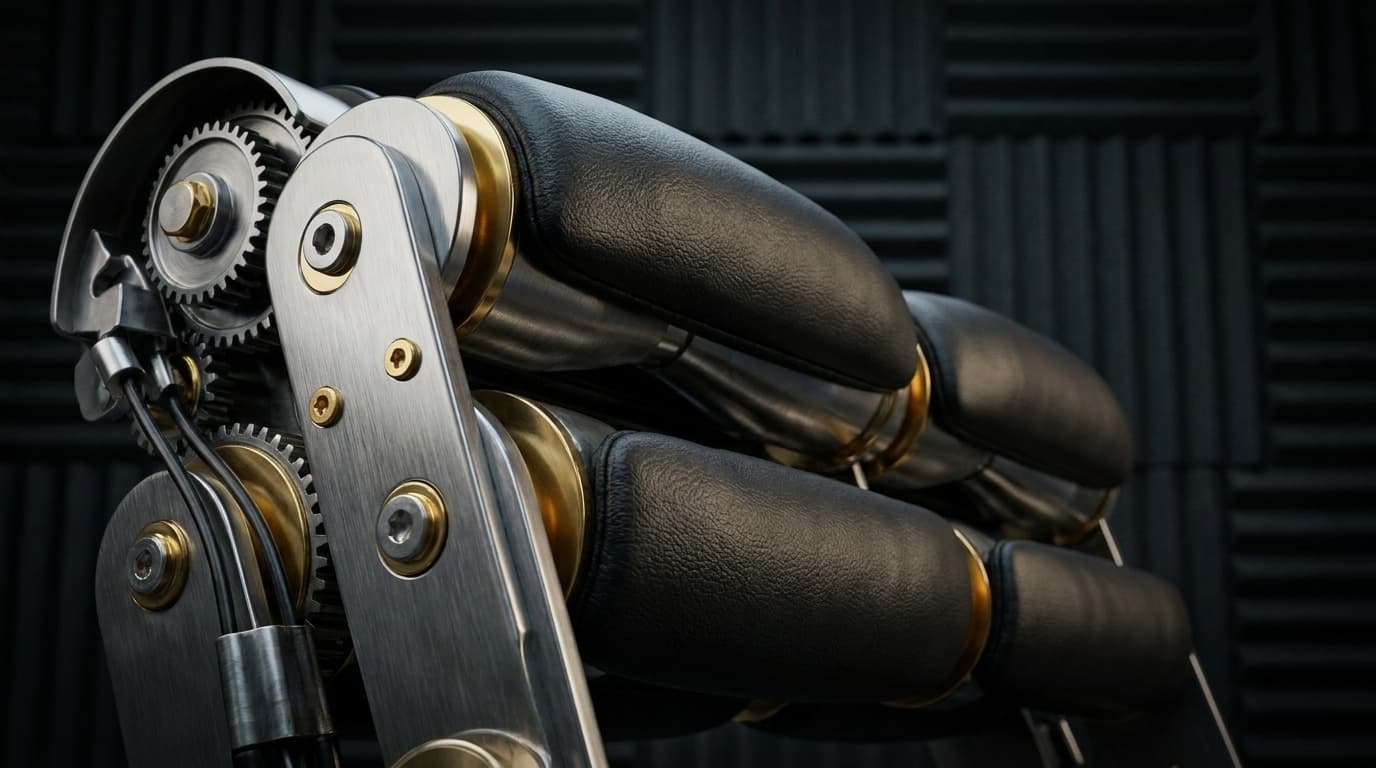
The difference lies in how many directions of movement the massage rollers inside the chair’s backrest have. 2D rollers move up and down and left and right (massage across a flat surface). 3D adds depth, meaning the rollers move forward and backward, so the pressure feels more human. 4D adds rhythm and variation in speed and intensity, which comes closest to the feeling of real human hands.
When you first start exploring massage chairs, you quickly run into the labels 2D, 3D and 4D. They sound technical and slightly misleading, because they seem to describe something similar to televisions or cinema. In reality they have nothing to do with picture or image. They refer solely to the movement of the massage rollers, the mechanism that glides along your back and creates the sensation of a massage. This is exactly why the choice is often confusing: without an explanation, the numbers tell you nothing about what you will actually feel.
Below we explain each level separately, who it suits and why it is worth trying a chair in person before you buy.
What do the dimensions actually mean?
The word dimension here refers to the axes along which the massage rollers can move. Picture the hands of a masseur. As they glide across your back, they do not move in only one direction. They travel up and down along the spine, spread outward toward the shoulders, and at the same time press into the depth of the muscles, adjusting how firmly they push depending on how tense a muscle is.
Each additional dimension allows the massage chair to imitate more of these natural movements. More dimensions therefore mean a more precise, more tailored and more human massage. Fewer dimensions mean a simpler, more even massage, which for many people is perfectly sufficient.
2D massage: the foundation that covers most needs
With 2D massage the rollers move in two directions: up and down along the spine, and left and right across its width. This lets them follow the line of the spine, reach the shoulders and the lower back, and perform techniques such as kneading, tapping and gliding.
The key limitation is that 2D rollers cannot change depth on their own. The pressure stays more or less even, across the surface of the back. For many people this is pleasant and relaxing enough.
Who 2D massage suits:
- Those looking mainly for relaxation and winding down after the day
- Users who value massage as a pleasant ritual rather than a therapeutic tool
- People with less pronounced tension and pain
If your main goal is to calm the body and clear your mind, a 2D chair often does the job. For deeper, targeted relief, however, you may miss the feeling of real pressure sinking into the muscle.
3D massage: added depth and more human pressure
3D massage adds a third axis to everything 2D can do: depth. The rollers can move forward out of the backrest toward your body and back again. This means the chair can control how firmly it presses into the muscles, not just where along the back it works.
This difference is very noticeable in practice. The pressure feels more like the thumbs and palms of a masseur working into a tense muscle. On most 3D chairs you can also set the depth intensity yourself, choosing a gentler or a firmer touch. It is precisely this adaptability that makes 3D massage suitable for a wide range of people.
Who 3D massage suits:
- Those with recurring tension in the shoulders, neck or lower back
- Users who use massage often and want genuine relief
- People who missed the sensation of deeper pressure with 2D massage
If you know your muscles tense up regularly and you want a massage that truly reaches into the depth, 3D is often the right middle ground between comfort and effect.
4D massage: rhythm and intensity like real hands
4D massage builds on 3D by adding the element of time. In addition to direction and depth, the chair also regulates the speed and rhythm of the movement, changing the intensity as it goes. The rollers can slow down and linger longer in one spot, then speed up elsewhere, much as a masseur would adjust their movements to what they feel under their hands.
The result is a massage that feels more fluid and natural. Instead of an even pattern, you get a wave-like flow that resembles genuine human treatment. Transitions between techniques are softer, and the pressure builds and eases in a way that feels almost personal.
Who 4D massage suits:
- More demanding users looking for the highest level of precision and naturalness
- Those who use massage every day and want variety so the routine does not become monotonous
- People to whom the quality of treatment of individual muscle groups matters
If you want an experience that comes closest to a real masseur, and massage is an important part of your daily routine, 4D is the top of the range.
How it feels in practice
The numbers alone do not tell you enough. The same 3D chair can feel completely different to two people, because everyone has a different sensitivity threshold, a different build and different expectations. One person will be perfectly satisfied with a 2D massage, while the same chair will leave another cold because it lacks depth.
That is why the most reliable way to choose is to feel the massage on your own body. Only once you sit in the chair do you feel the difference between the even gliding of 2D rollers and the deep, shifting pressure of a 3D or 4D mechanism. Many people end up choosing differently than they first imagined once they try it.
Which level is right for you?
As a guide, you can consider:
- 2D for relaxation and a pleasant ritual without high demands for depth
- 3D for frequent use and genuine relief of tense muscles
- 4D for the most precise, natural and varied experience for demanding users
What matters is how intense a massage you need and how often you will use it. Someone who sits in the chair every day and counts on a real effect often feels better in the long run with a higher number of dimensions. Someone looking mainly to unwind, however, will not feel shortchanged by the basic levels.
If you are not sure which level suits your needs, take a look at our massage chairs and compare the models. For a personal recommendation, take advantage of a free consultation, where we assess your habits and expectations together. Best of all, try a chair in person and feel the difference between the dimensions yourself before you decide.
The HEKO team
Frequently asked questions
- Is 4D always better than 3D?
- Not necessarily better for everyone, but it is more advanced. 4D adds control over rhythm and intensity for a more human feel. If you want the most adjustable, deep massage, 4D is the way to go; for relaxed everyday use, 3D is often plenty.
- Which level should I choose for back tension?
- For relieving the back, precise alignment of the rollers with the spine matters, which 3D and 4D handle better. We recommend trying a model and talking to us about your height and preferred intensity.
Would you like advice?
We help you pick the right model for your needs, height and space. Advice with no obligation.
The collection
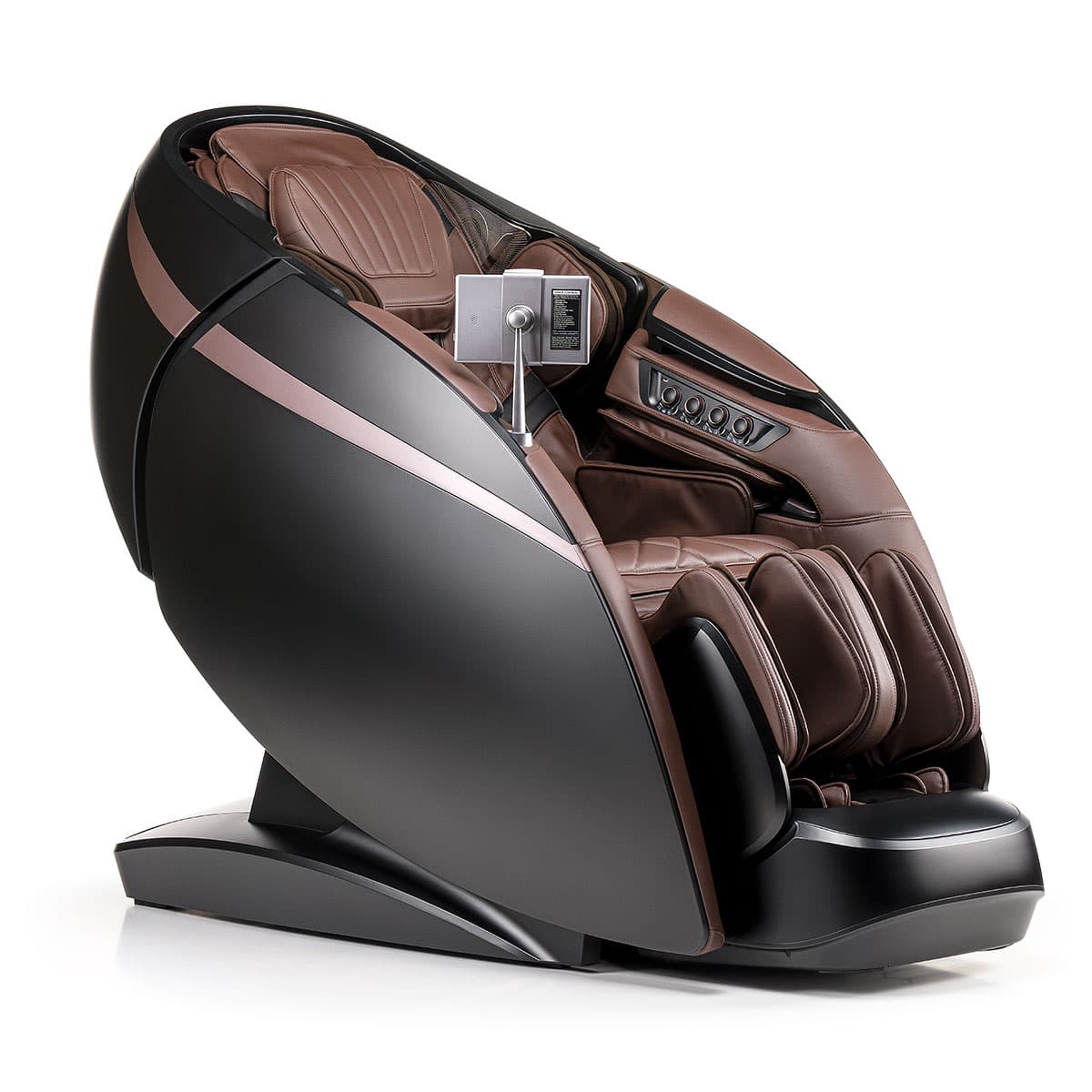
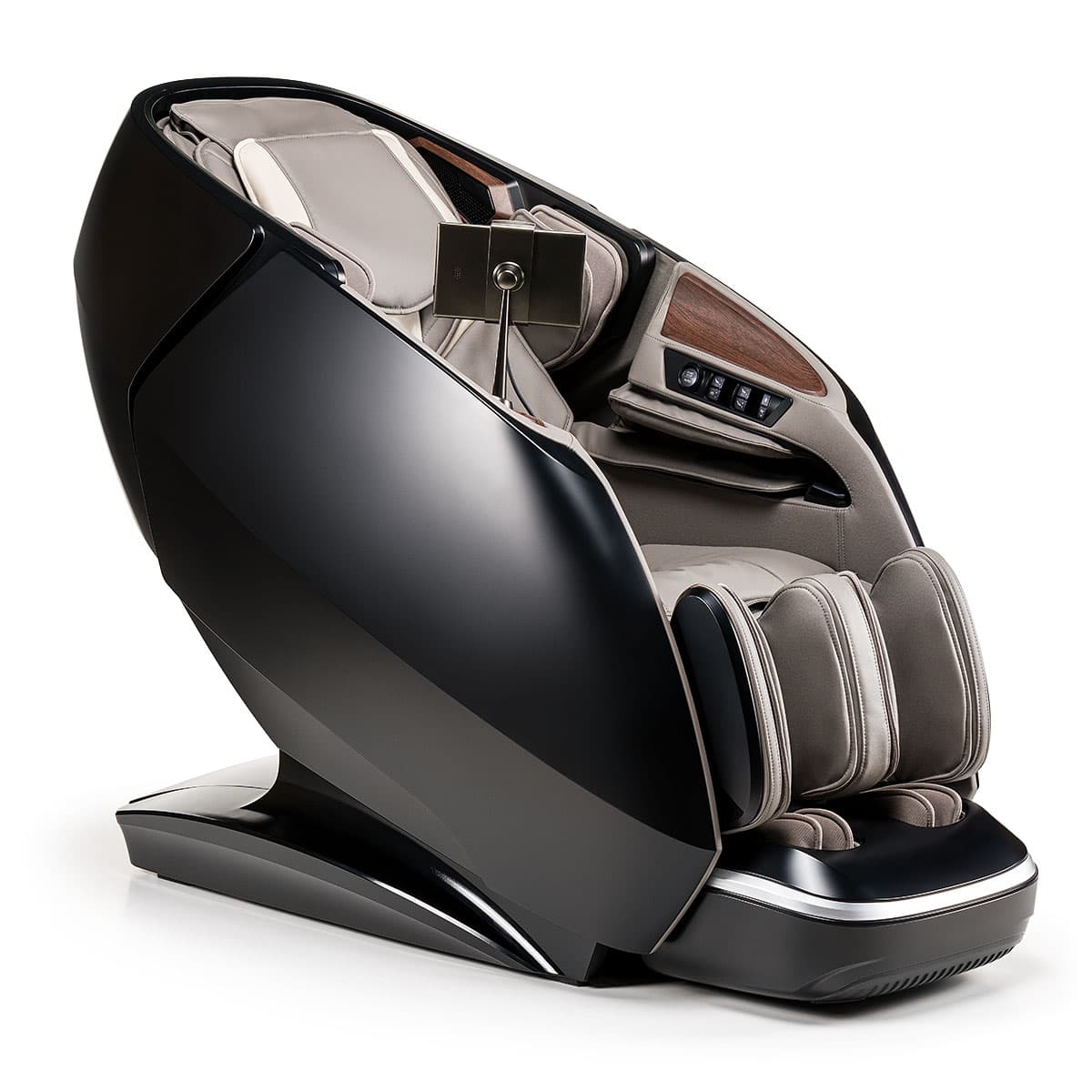
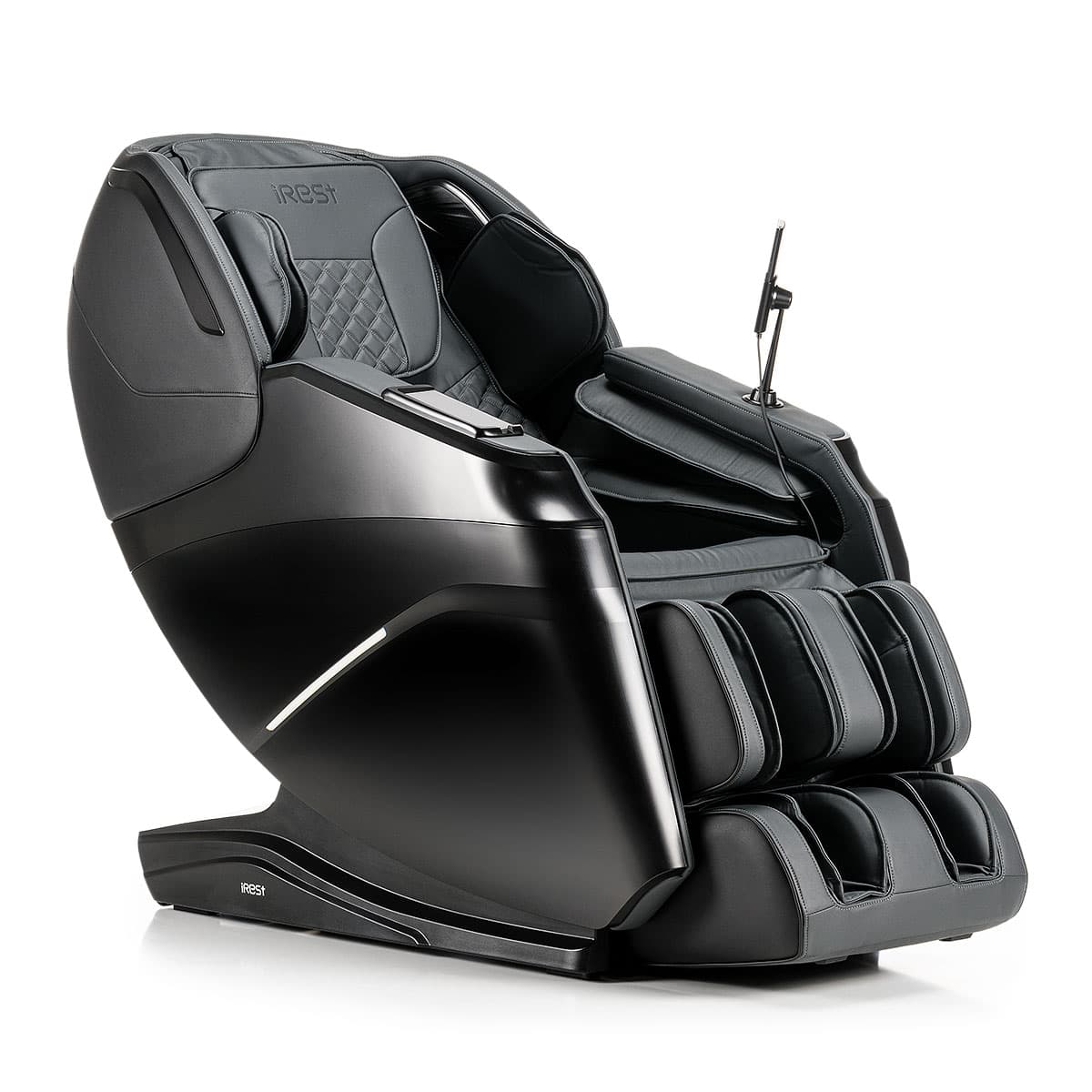
The iRest models we write about
Three chairs from our range, from entry level to flagship, with prices and specifications.
More from the blog
How much does a massage chair cost and why
Massage chair prices vary widely for real reasons. Learn what actually drives the cost and how to judge value instead of just price.
Massage chairs for seniors and active athletes: same product, different needs
Older users and athletes need very different things from a massage chair. Here's how to check if a model covers both.