
NewsAljoša Vodan
Stress and breakfast: what a new habits study shows
A Binghamton study links regular breakfast, exercise and sleep to greater psychological flexibility. What does it mean if you sit a lot at home?
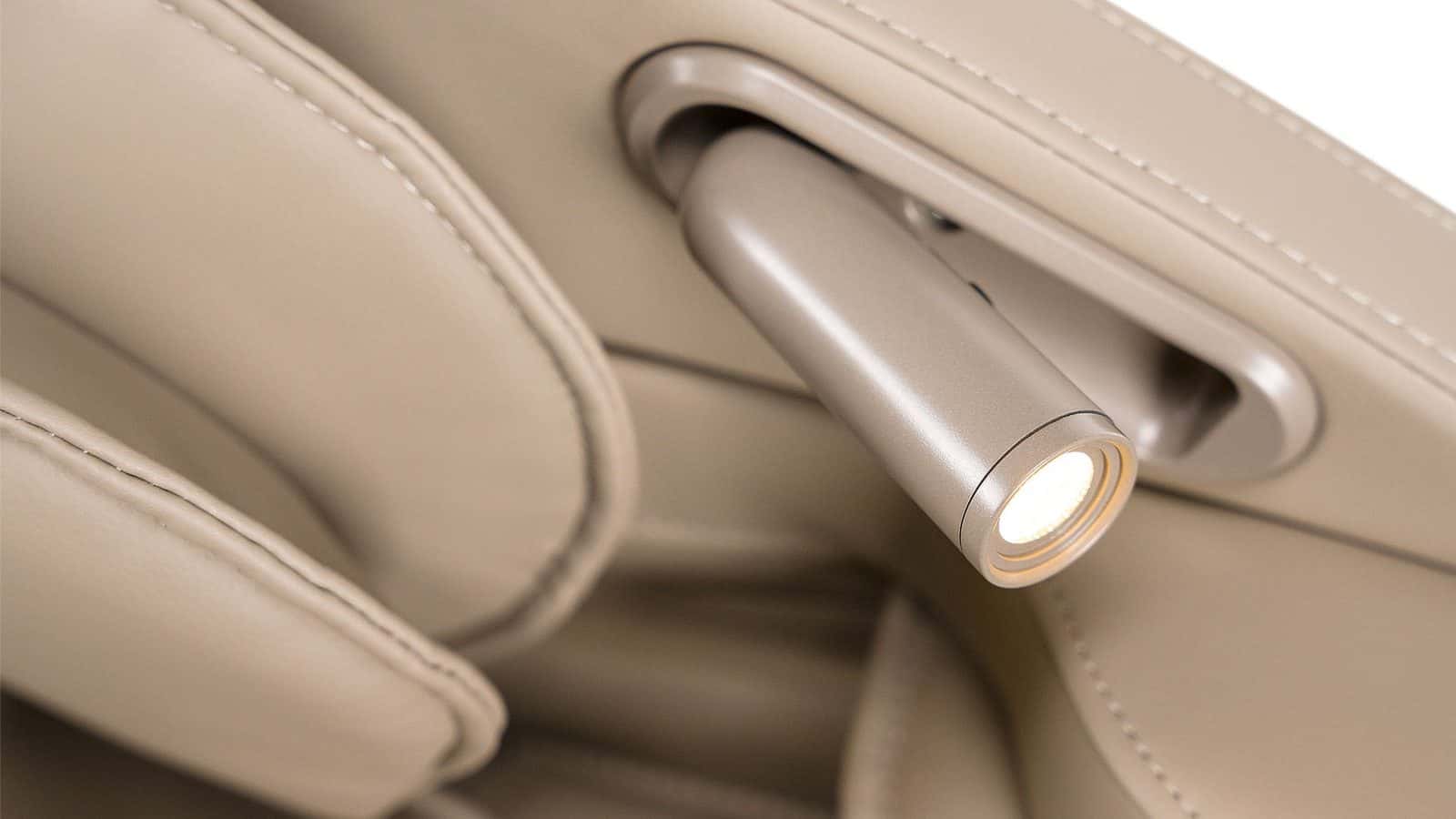
Researchers at Binghamton University in the US found, among roughly 400 students, that regular breakfast, exercise, good sleep and taking fish oil are linked to greater psychological flexibility, meaning a person's ability to adapt to stressful circumstances. If you spend your days at a desk, at home or in an office, it's a useful reminder that completely ordinary everyday choices also affect how we cope with pressure.
What the study showed
As ScienceDaily reports, Binghamton University looked at the habits of roughly 400 students and compared them with their psychological flexibility. The term describes the ability not to get stuck in tense situations, but to adapt and carry on.
The results are fairly clear. In students who regularly ate breakfast, exercised, slept well and took fish oil, the researchers noted greater flexibility. Poor sleep and unhealthy eating habits, on the other hand, were linked to lower flexibility and weaker resilience.
The important word is linked. The study speaks of a connection between habits and flexibility, not of one thing directly causing the other. It was also carried out on students, so the results can't simply be applied to every age group. Even so, the message is useful for everyone: your daily routine counts.
Why this matters for people who sit a lot
Anyone who works at a screen knows the pattern. There's no time for breakfast in the morning, coffee replaces a meal, lunch is eaten at the keyboard, and in the evening you're tired but can't fall asleep. There's little movement during the day, because everything happens from a chair.
The Binghamton University study suggests that these small things aren't unimportant. It's not about big life changes, but about the rhythm of the day: when you eat, whether you move a little, how much you sleep. According to the findings, when that rhythm breaks down, adaptability also seems to suffer.
Our view is simple. You don't have to build a perfect routine. It's enough to have a few fixed points that your day leans on.
A few fixed points you can introduce right away
- Breakfast, even a modest one. The study doesn't say exactly what to eat, but it does stress regularity.
- Short movement breaks. Get up, walk to the window or up and down the stairs. With sedentary work, this is the easiest thing to forget.
- An unhurried evening. Since poor sleep is linked to lower flexibility in the study, it's worth devoting the last hour of the day to winding down.
Be cautious with fish oil. The study mentions it among the habits linked to greater flexibility, but it's wise to talk to a doctor or pharmacist about dietary supplements, especially if you're taking medication.
Where relaxation fits in
The study didn't look at massage, so we won't present it as part of its findings. But we can share something from the experience of the people we talk to every day. Many want a clear moment in the day when work ends and rest begins. Some go for a walk, others read, and others take twenty minutes in a massage chair.
Massage is pleasant and relaxing. It's not a substitute for sleep, exercise or breakfast, but it can become one of those regular evening rituals that close the day. That's really the point of the study: not one miracle measure, but habits that repeat.
If you're thinking about such a corner at home or in the office, you can take your time and look at different massage chair models. They differ in size, the way they're used and the space they need, so it's best to first think about who will use them and where they'll stand.
A clear warning here. If stress grows into problems with sleep, mood or physical wellbeing, see a doctor. A massage chair is meant for relaxation and comfort, not for solving health problems.
Key takeaways
The Binghamton University study doesn't bring a revolution, but it does confirm something many of us suspect. How we react to a stressful day depends partly on how we started that day and how we slept the night before.
For people with sedentary work, this is good news, because the changes are within reach. Breakfast, a short walk, a calmer evening. None of it takes much time, yet together it clearly counts for something.
If you'd like advice on setting up a space for rest, and on which chair would suit your home or office, you can write to us through the selection advice page. We're happy to help you think through the options.
Source: ScienceDaily: dobro počutje,
The HEKO team
Frequently asked questions
- Does breakfast really help with managing stress?
- According to ScienceDaily, a Binghamton University study of roughly 400 students showed that regular breakfast, together with exercise, good sleep and fish oil, is linked to greater psychological flexibility. It's a connection, not a proven cause, so think of breakfast as part of a healthy daily routine and not as a standalone solution.
- Can a massage chair replace sleep or exercise?
- No. Massage is pleasant and relaxing, which is why many people make it an evening ritual that closes the day. It doesn't replace sleep, exercise or a balanced diet, though. If you have problems with sleep or wellbeing, talk to a doctor, and keep the chair for comfort and relaxation.
- How do I choose a massage chair for home or the office?
- First think about who will use it, how much space you have and how often you'll use it. Models differ in size and the way they're used. At HEKO we advise you on your choice, so that together we find a chair that suits your space and habits, without unnecessary rush.
Would you like advice?
We help you pick the right model for your needs, height and space. Advice with no obligation.
The collection
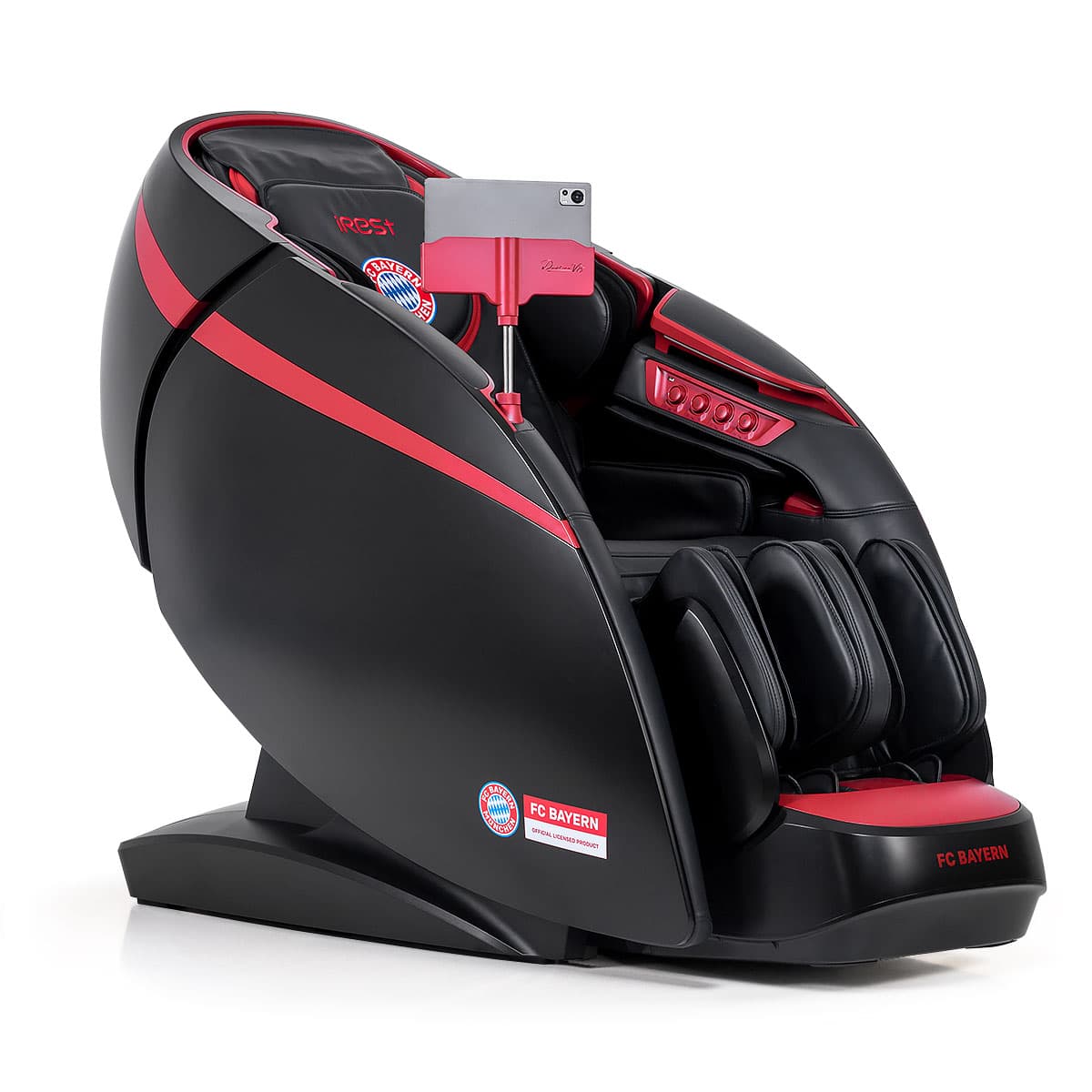
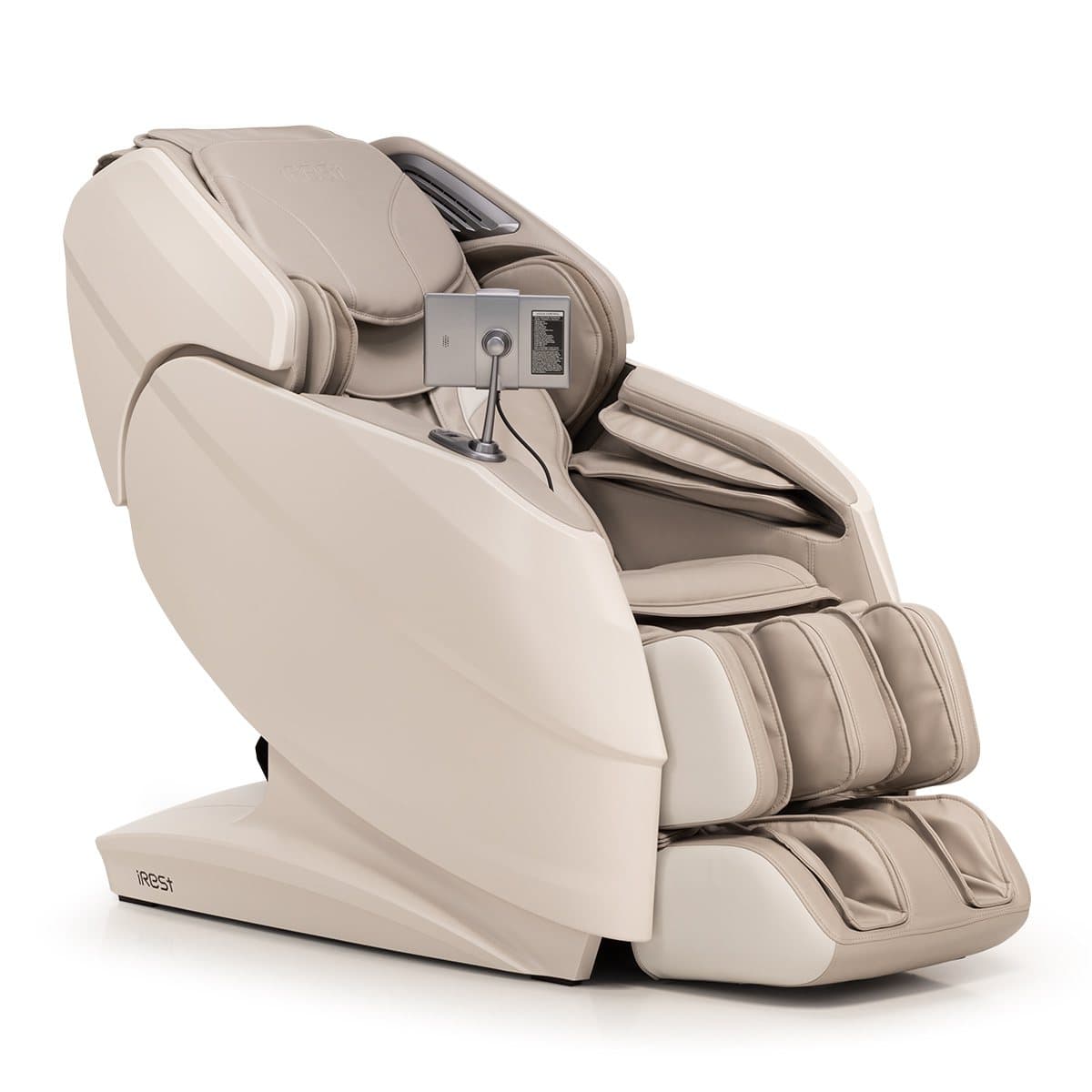
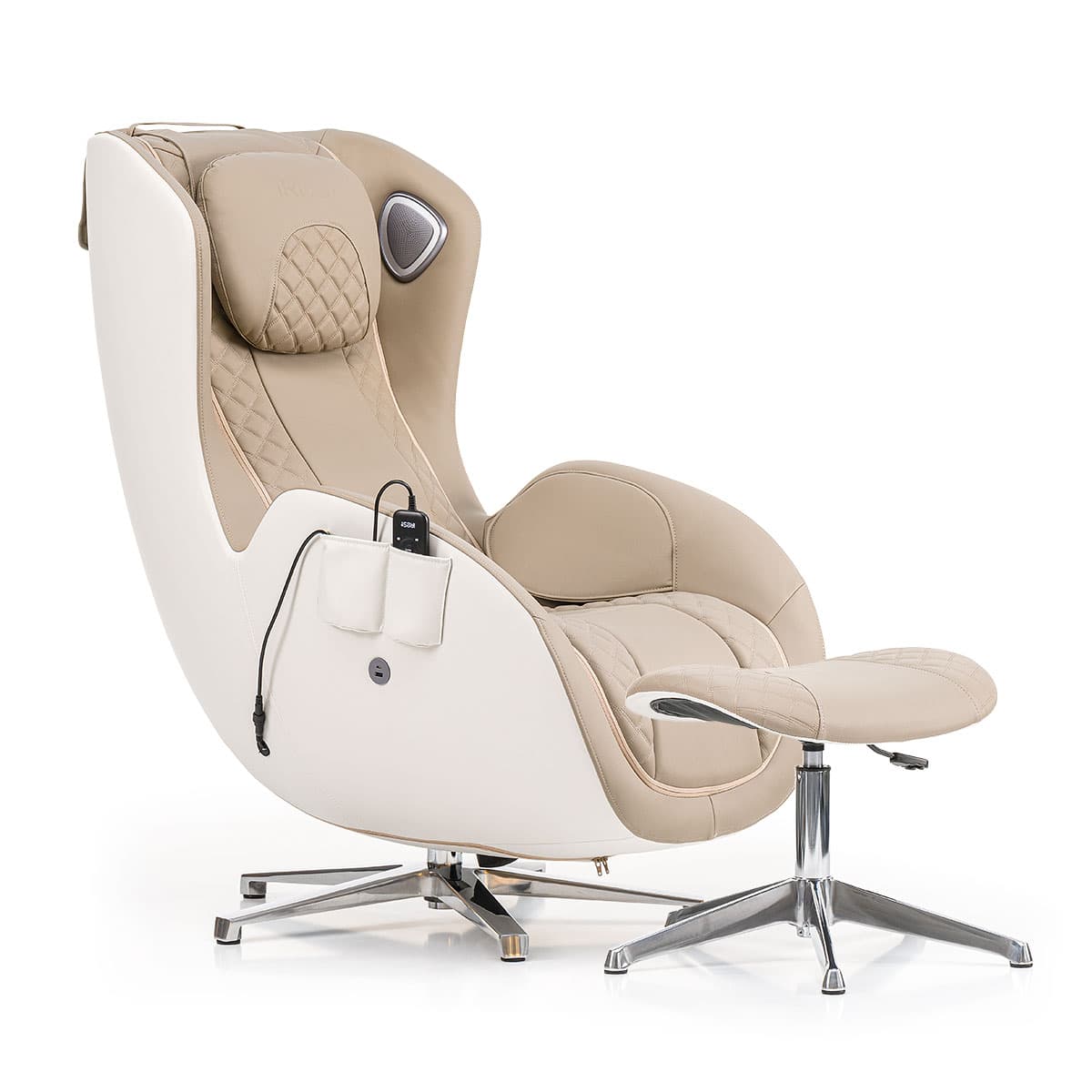
The iRest models we write about
Three chairs from our range, from entry level to flagship, with prices and specifications.
More from the blog
Ten minutes of movement a day and deeper sleep
A University of Texas at Austin study links just ten minutes of moderate to vigorous exercise a day with more deep sleep. What if you sit a lot?
Who benefits most from a massage chair at home?
It helps most for desk workers, older adults, recreational athletes and people under stress who strain their back and neck daily and have little time for spas.
Heating in iRest massage chairs: where and how it works
Most iRest models heat only the back with a graphene mat, while three models extend heating to the hands and calves or to the whole torso. An overview of which model heats where.