
HEKO team
How much space does a massage chair need at home?
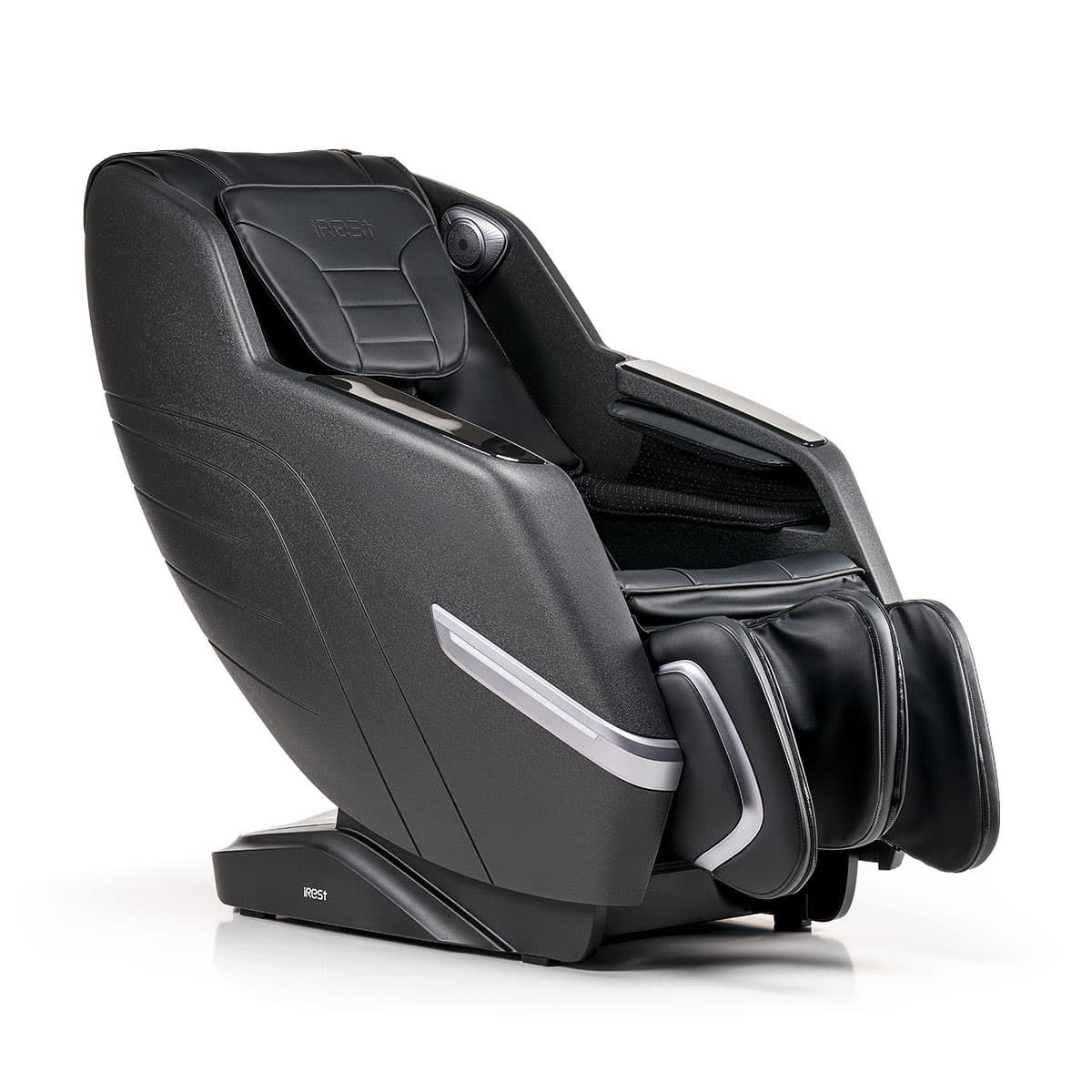
Fully reclined, iRest massage chairs measure 123 to 208 cm long and 71 to 86 cm wide, and need 10 to 30 cm of clearance to the wall.
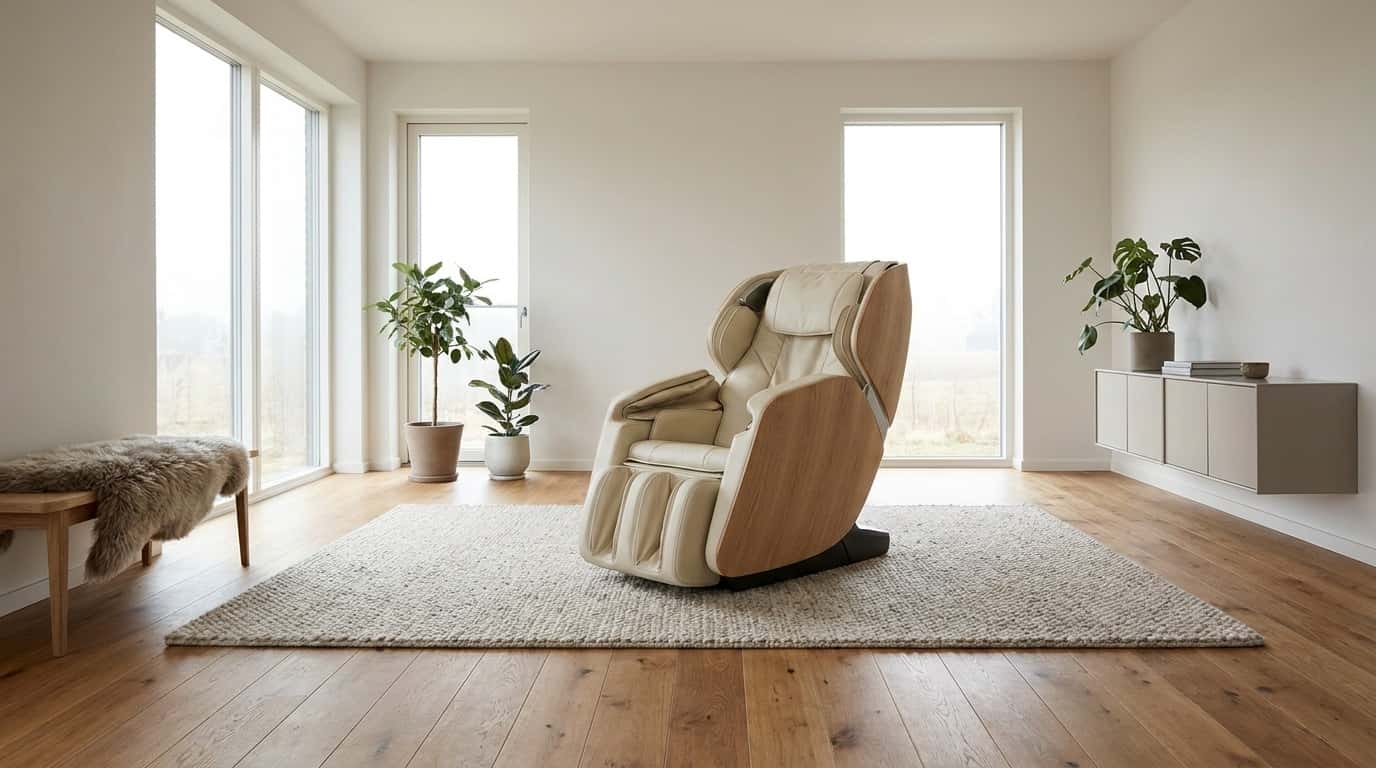
Fully reclined, iRest massage chairs measure 123 to 208 cm in length and 71 to 86 cm in width, and according to the manufacturer's manuals they need 10 to 30 cm behind the backrest to recline. The key rule is simple: measure your space for the fully reclined position, not the seated one, because the chair extends and tilts back as it opens. This is the step most people overlook, and the result is a chair that cannot fully recline once it is in the room.
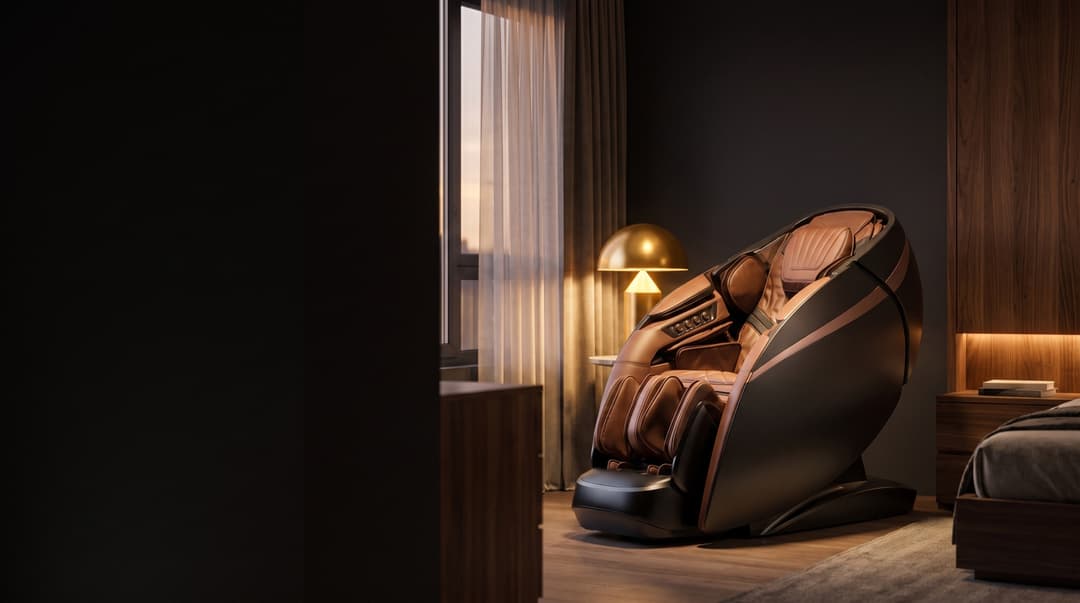
Why Space Is the First Question, Not the Last
Many people first choose the model, the colour and the features, and only check the space when the chair is delivered. By then it is often too late. A modern massage chair is not a fixed piece of furniture with constant dimensions. When you start it, the backrest tilts back and the footrest extends forward. The compact seat turns into an almost two-metre reclining surface.
If you measured your space only for the seated position, the chair simply will not recline all the way. That means you will never experience the programme you bought the chair for in the first place. The cost of this mistake is not just discomfort. It is a significant investment that does not work as it should in your space.
How Many Centimetres Behind, in Front and Above
When planning your space, think in three directions.
- Behind the chair: the manufacturer requires 10 to 30 cm to the wall for reclining, depending on the model. Models with Zero Wall need the least, 10 cm. The clearance for each model is in our buying guide.
- In front of the chair: the footrest extends forward, so measure the room by the model's reclined length and don't plan a table or shelf right in front of it.
- Above the chair: in the upright position the backrest is higher than when reclined, but what matters most is the ceiling height and the access above the chair. In low attic rooms or under a sloped ceiling, check that the backrest can rise without obstruction.
Beyond the recline, think about everyday use as well. You need some room around the chair to get in and out, to clean, and to move it occasionally. A chair wedged into a corner between a cabinet and a radiator quickly becomes a nuisance, even if it technically reclines.
Wall-Hugging Technology: A Solution for Smaller Rooms
If you have a smaller home or want to place the chair closer to the wall, models with so-called wall-hugging technology are worth your attention. As they recline, the whole chair slides forward, so it needs less room behind the backrest.
In practice this means you can place the chair 10 to 15 cm from the wall and still fully recline it. For tight living rooms, bedrooms and home-office corners, this is often the decisive difference between a chair that fits the room and a chair you simply have nowhere to put. This is exactly why, in smaller spaces, it makes sense to narrow your choice to these models from the start, rather than only when other options fall away.
The Weight of the Chair and Moving It Around
Space is not only a question of square metres, but also of the path to them. Massage chairs are heavy and often weigh well over a hundred kilograms. This affects two things.
First, delivery. Consider whether the chair will even fit through your front door, up the staircase or into the lift. A narrow hallway or a sharp turn on the stairs can be a bigger obstacle than the size of the room itself.
Second, later repositioning. Many chairs have small wheels that make it easier to shift them a few centimetres, for example when cleaning. That does not mean you will easily move them from room to room. So decide on a permanent spot before you buy and plan the chair as a fixed piece, not as an armchair you can simply move.
The Floor and Surface Under the Chair
An underrated factor is the surface underneath. Because of the weight and the vibrations during operation, marks can gradually appear on delicate floors. On parquet or laminate, consider a protective mat that distributes the load and prevents scratches when moving the chair.
The flatness of the floor matters too. The chair should stand on a firm, level surface, because on a thick, soft rug it can tilt slightly, which is not good for the feel or the mechanics over time. If you have underfloor heating, check whether the manufacturer recommends any restrictions on the permanent placement of heavy furniture.
The Most Common Mistake: Measuring Only the Seated Position
Everything usually goes wrong at one step. The buyer measures the space the chair takes up when you are only sitting in it. That is not enough. You have to fit the chair into the room as it will look during a massage, that is, fully reclined, with the footrest extended and the backrest tilted.
A practical approach is to mark the footprint of the reclined chair for your chosen model on the floor with tape and live with that marking for a few days. You will quickly sense whether the path around the chair suits you and whether anything gets in the way of everyday use. This simple test tells you more than any precise number on paper.
How to Choose the Right Model for Your Room
Space and model are inseparably linked. A large room opens up almost every option, while a smaller one quickly narrows the choice to more compact chairs and wall-hugging models. This is exactly where expert guidance pays off, matching your room dimensions to suitable models from the very beginning.
If you are not sure how much space you really need for a particular chair, we are here to help. Take a look at our massage chairs and share the dimensions of your space with us. For a precise assessment there is also a free consultation, where together we find a model that will genuinely fit your home. Many people prefer to get a feel for it in person. The chairs are not on display yet; sign up on where to try a chair to hear when they are.
A massage chair is an investment in everyday relaxation. For that investment to truly work, let space be the first question, not the last.
Dimensions of every model
| Model | Upright | Reclined | User height up to |
|---|---|---|---|
| QL (A185) | 102 × 71 × 109 | 123 × 71 × 90 | 190 cm |
| R-Pass (T103) | 142 × 79 × 123.5 | 158.5 × 79 × 112 | 190 cm |
| Chillin+ (A360) | 152 × 76 × 115 | 168 × 76 × 94 | 200 cm |
| Chillin Open (A360-31) | 152 × 76 × 115 | 168 × 76 × 94 | 200 cm |
| Easyq (A166) | 132 × 73 × 106 | 169 × 73 × 84 | 180 cm |
| Grandease+ (A550) | 150 × 75 × 115 | 185 × 75 × 80 | 195 cm |
| Supearl+ (A336) | 155 × 77 × 113 | 188 × 77 × 84 | 190 cm |
| Supearl Open+ (A336-31) | 155 × 77 × 113 | 188 × 77 × 84 | 200 cm |
| Maesthron (A801) | 177 × 86 × 130 | 194 × 86 × 91 | 200 cm |
| Dual Core V8 (A801-36) | 177 × 86 × 130 | 194 × 86 × 91 | 200 cm |
| Eagleton (BFH-4010) | 158 × 75 × 116.5 | 197 × 75 × 84 | 195 cm |
| Brillactiq (A665) | 165 × 83 × 121 | 208 × 83 × 87 | 195 cm |
Manufacturer data.
The HEKO team
Frequently asked questions
- How much wall clearance does a massage chair need?
- According to the manufacturer, 10 to 30 cm behind the backrest, depending on the model. Models with Zero Wall need the least, 10 to 15 cm, because they slide forward as they recline.
- Do you deliver and set up the chair?
- Yes. We bring, carry in and set up the chair at your home, across Slovenia. Delivery can be free, but not always: it depends on the location and the chair you choose, and your offer states what applies to you. Before delivery we arrange a time and check access to the room.
Would you like advice?
We help you pick the right model for your needs, height and space. Advice with no obligation.
The collection
The iRest models we write about
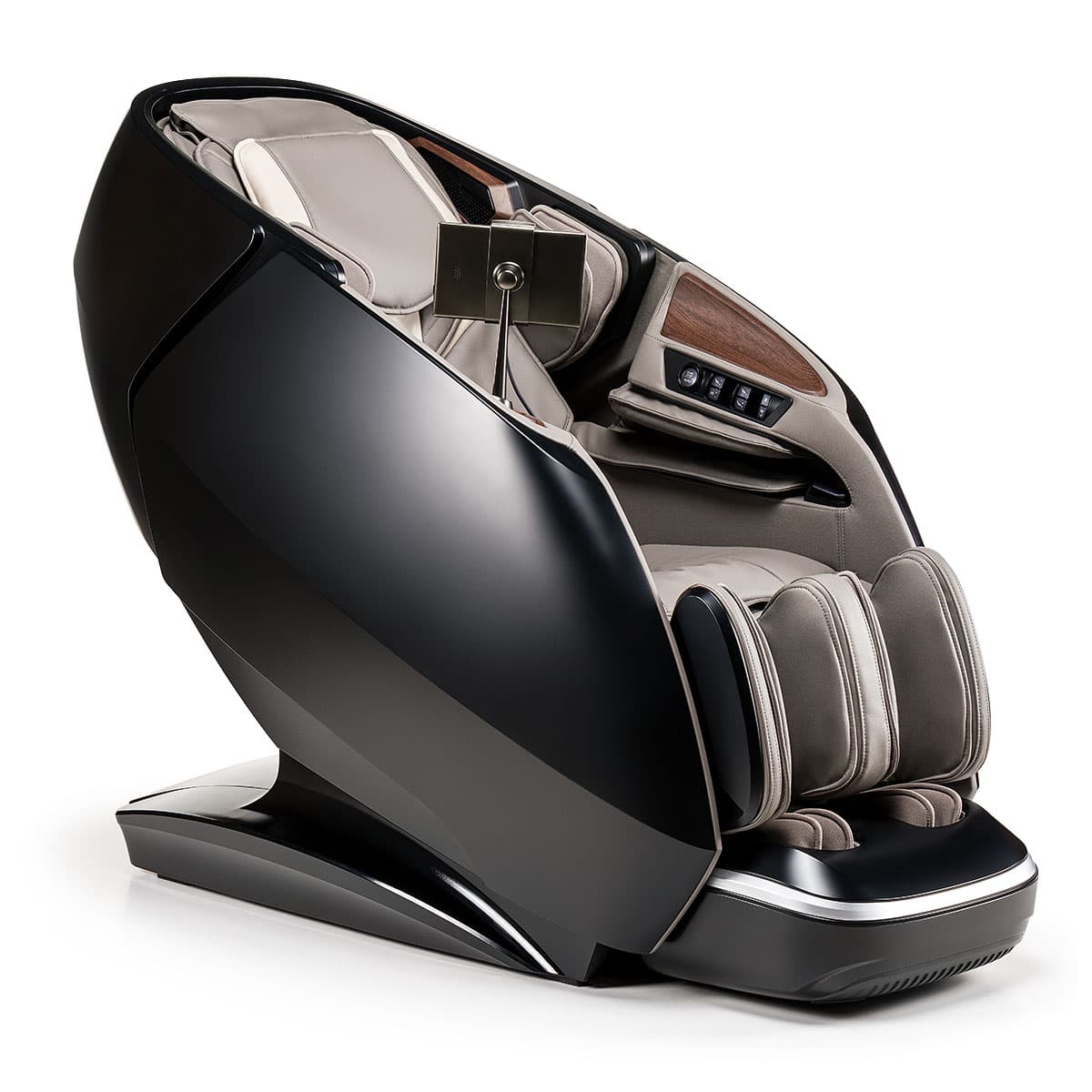
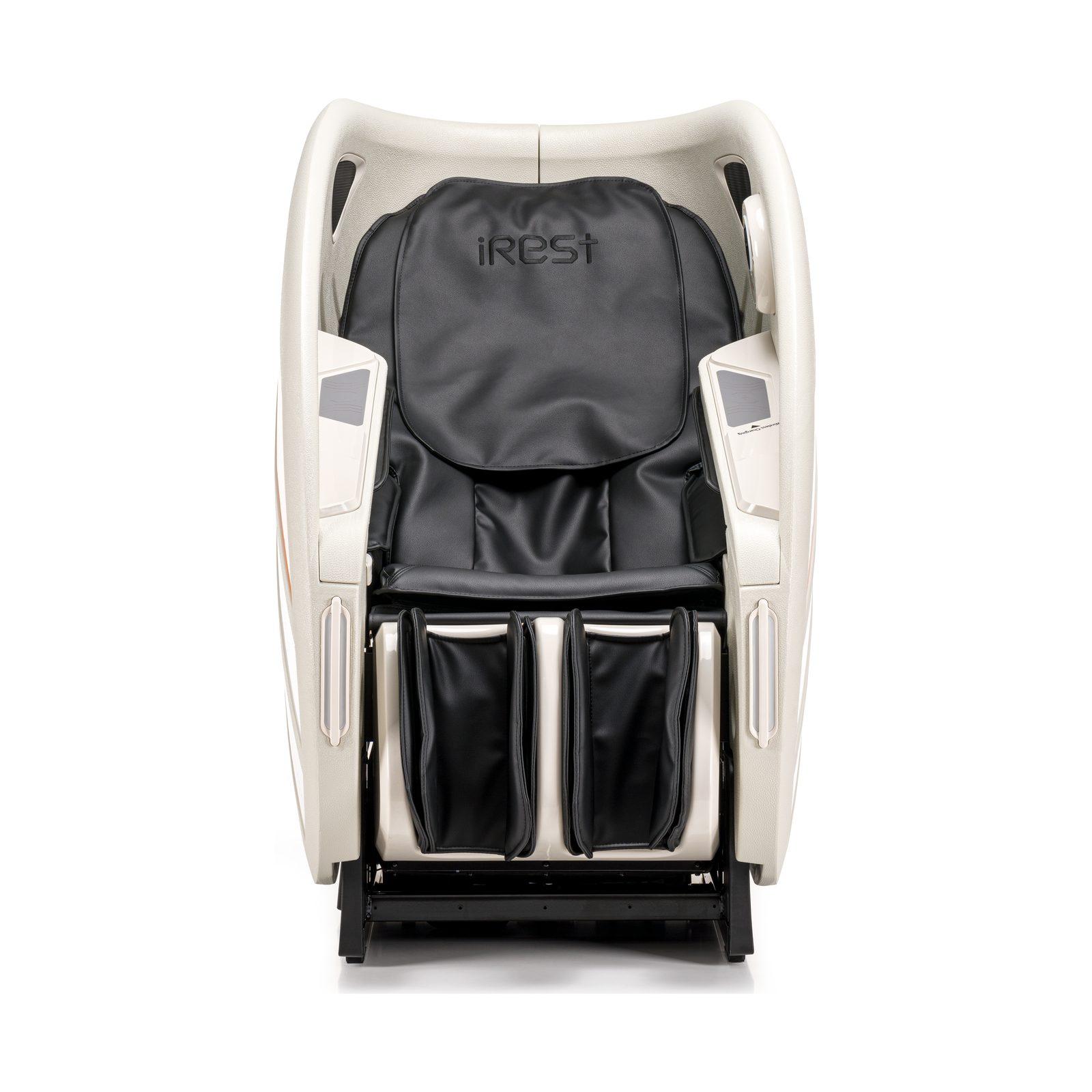
Three chairs from our range, from entry level to flagship, with prices and specifications.
More from the blog
Massage chairs for offices, hotels and wellness spaces
A massage chair for a business space needs different features than a home chair, from payment systems to durability under frequent use.
Massage chair by height: which model fits you
The Maesthron, Chillin+ and Chillin Open fit users up to 200 cm, the Easyq up to 180 cm. Why height matters and how chairs adapt to shorter users.
Heating in iRest massage chairs: where and how it works
Most iRest models heat only the back with a graphene mat, while three models extend heating to the hands and calves or to the whole torso. An overview of which model heats where.