
Why trying a chair in person beats the spec sheet
Specs tell you what a chair can do, not how the massage feels on your shoulders and back. That feel matters more than the number of programmes.

Trying a massage chair in person tells you more than the specifications because the massage happens on your body, not on a sheet of paper. Numbers describing a 2D, 3D or 4D mechanism, the number of programmes and airbags describe what a chair can do, but not how that capability actually feels beneath your shoulders and along your spine. You discover that difference only once you sit down in it.
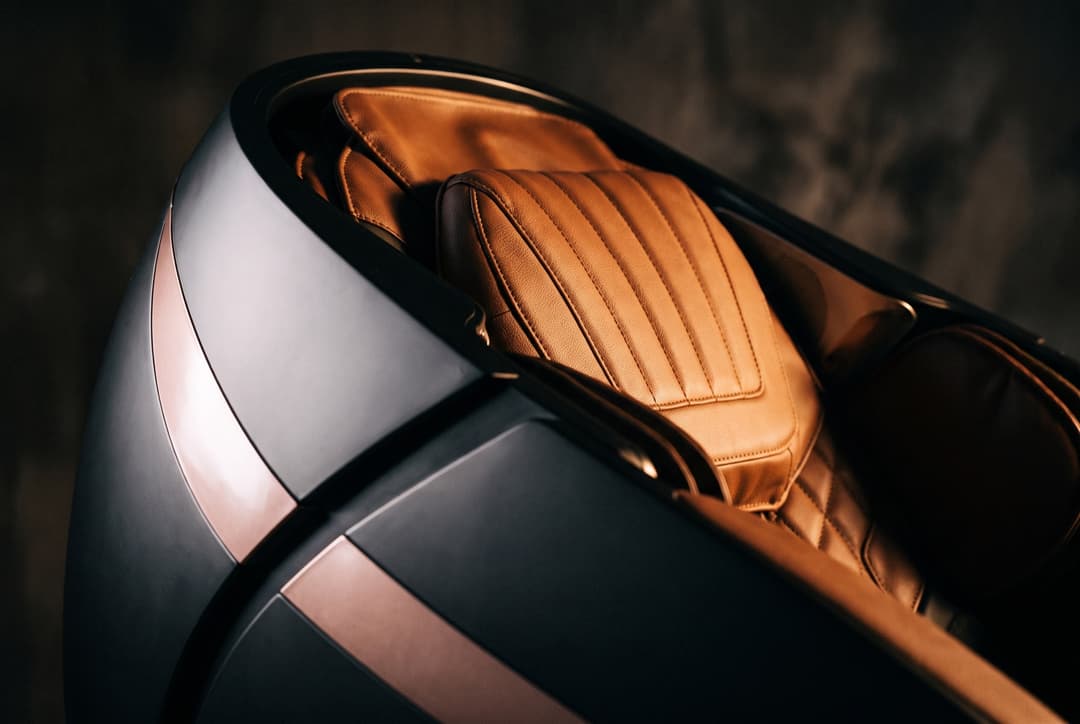
Specs Describe the Machine, Not the Feeling
When you compare massage chairs online, you quickly end up in a table of data. One model has a 3D mechanism, another 4D. One offers twelve programmes, another twenty-four. It looks as though more means better. In reality these values tell you remarkably little about what you will experience every evening.
Take the 4D label. It tells you the speed of the roller movement varies, which is meant to create a more natural rhythm. It does not tell you whether that rhythm will feel pleasant or irritating on your body. The same is true of the number of programmes. Thirty programmes that do not suit you are worth less than five that fit your problems. Airbags compress your calves, arms and shoulders, yet a figure for how many there are says nothing about whether the squeeze feels relaxing or unpleasant to you.
A specification is a description of capability. A massage is an experience. Between the two lies the space where the wrong decisions are made.
What Only Reveals Itself Once You Sit Down
There are qualities that simply cannot be read off a data sheet. Yet these are the ones that most determine whether you will genuinely use the chair or whether it will sit in a corner after a month.
- Intensity of the kneading. The sensation of the rollers truly gripping you, catching a muscle and releasing it, is different for every body. The same chair feels too strong for one person and too weak for another. You do not choose this with a click.
- Alignment of the rollers with your height. If the massage head does not line up with your shoulders and neck, you will receive the massage where you do not need it. A tall build and a shorter one experience the same chair in completely different ways.
- Comfort of the seat. A chair you sit in for twenty or thirty minutes must be comfortable even when the massage is switched off. The firmness of the seat, the recline and the shape of the backrest only become clear with a body in it.
- Noise level. The mechanism and compressors produce sound. In a quiet living room in the evening, something barely noticeable in a showroom can become distracting. You need to hear how the chair sounds.
None of these four things appear in the specifications. Yet all four decide whether you will be satisfied.
The Cost of the Wrong Choice
A massage chair is not a small purchase. When you choose it purely from a table and persuasive photographs, you risk discovering at home what a few minutes of trying would have told you at once. That the massage on your neck hurts because the rollers do not reach the right spot. That the kneading is too strong and you avoid it. That the hum bothers you at exactly the moment you want to unwind.
At that point you own an expensive piece of furniture you do not use. That is the true cost of guessing online. Not only the money, but also the disappointment and the sense that you missed the chance to genuinely help yourself. A few minutes seated in the right chair protect you from this far better than hours of reading descriptions.
How to Diagnose What You Need
Before you even think about a model, answer a few questions about your body and your habits. This self-assessment is often more useful than comparing figures.
- Where do you feel tension most often: in your neck, between your shoulder blades, in your lower back or in your legs?
- Do you prefer a stronger, deeper pressure or a gentler, more soothing massage?
- How tall are you and how much do you weigh? This affects roller alignment and comfort.
- When will you use the chair: in the evening to calm down or during the day to relieve strain?
- Where will the chair stand and how much quiet do you need in that room?
Once you know your answers, trying a chair takes on meaning. You are no longer looking for the best-equipped chair, but for the one that fits you. Our range of massage chairs is arranged so that each model addresses specific needs, rather than competing on numbers alone.
How a Trial Will Work at HEKO
The chairs are not yet on display in stores; we are preparing display locations and will publish them as soon as they are available. A trial will not be a sales ritual but a way for you to convince yourself. You will sit in the chair fully clothed and comfortable and set the massage to your height so the rollers work where they should. You will try different intensities and feel the difference between programmes on your own body, not on paper.
If several models are on display, you will be able to compare them side by side. Only then does it become clear which one truly grips you in the right way and which is too strong or too weak for you. Listen to how each chair sounds, too, and check how you feel in the seat when the massage is switched off. Without rushing and without pressure.
If you wish, we can talk through your problems and expectations now, so a later trial is more focused. You can arrange a free consultation where we narrow the selection together to the models that make sense for you.
Trust Your Body, Not the Table
Specifications are useful as a first filter to rule out what does not interest you. But they will never answer the only question that counts: how this massage feels on you specifically. That answer exists only on your body, and you reach it in a matter of minutes.
So before you decide, sign up to be notified when the chairs go on display, and talk it through with us in the meantime. It is better to spend a few minutes sitting in a chair than months regretting a decision made in front of a screen.
The HEKO team
Frequently asked questions
- Can I try a massage chair before buying?
- Not yet. The chairs are not on display yet; on our where to try page you can sign up to be notified when they are. That will be the best way to judge which model and which massage intensity suit you.
- How will I know when I can try one?
- Write to us or sign up for a notification and we will let you know when the chairs are on display. Until then, we can advise you on choosing a model by phone or email.
Would you like advice?
We help you pick the right model for your needs, height and space. Advice with no obligation.
The collection
The iRest models we write about
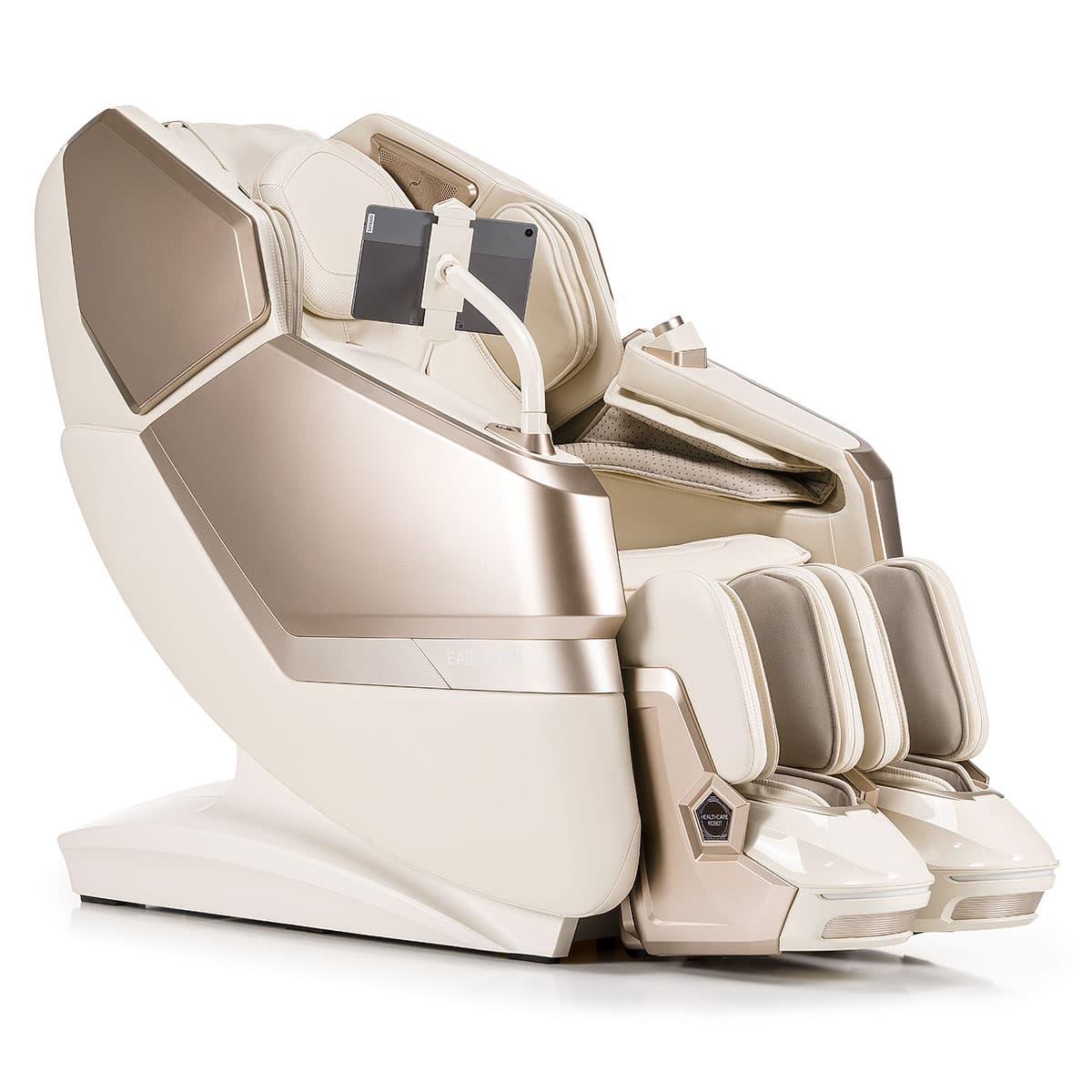
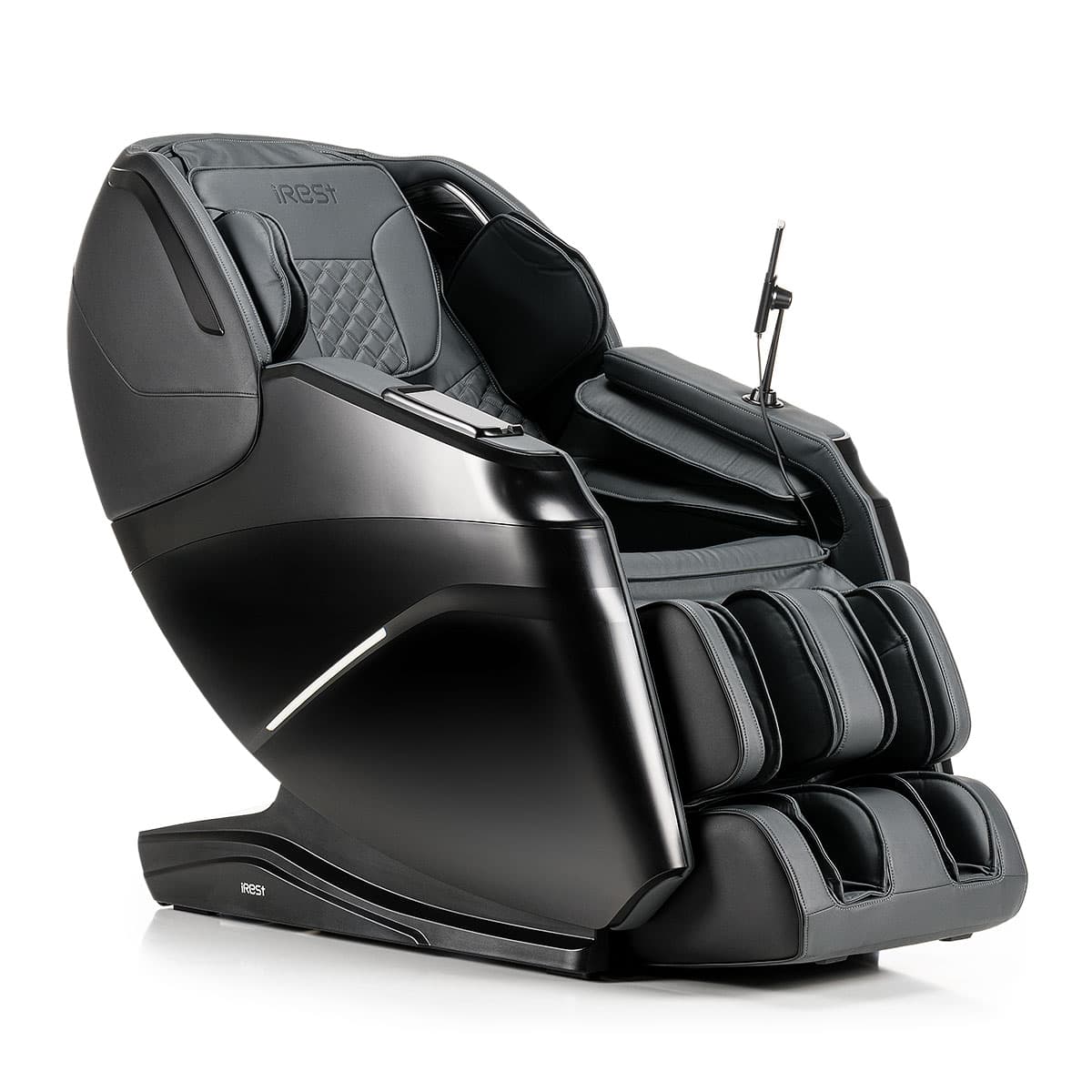
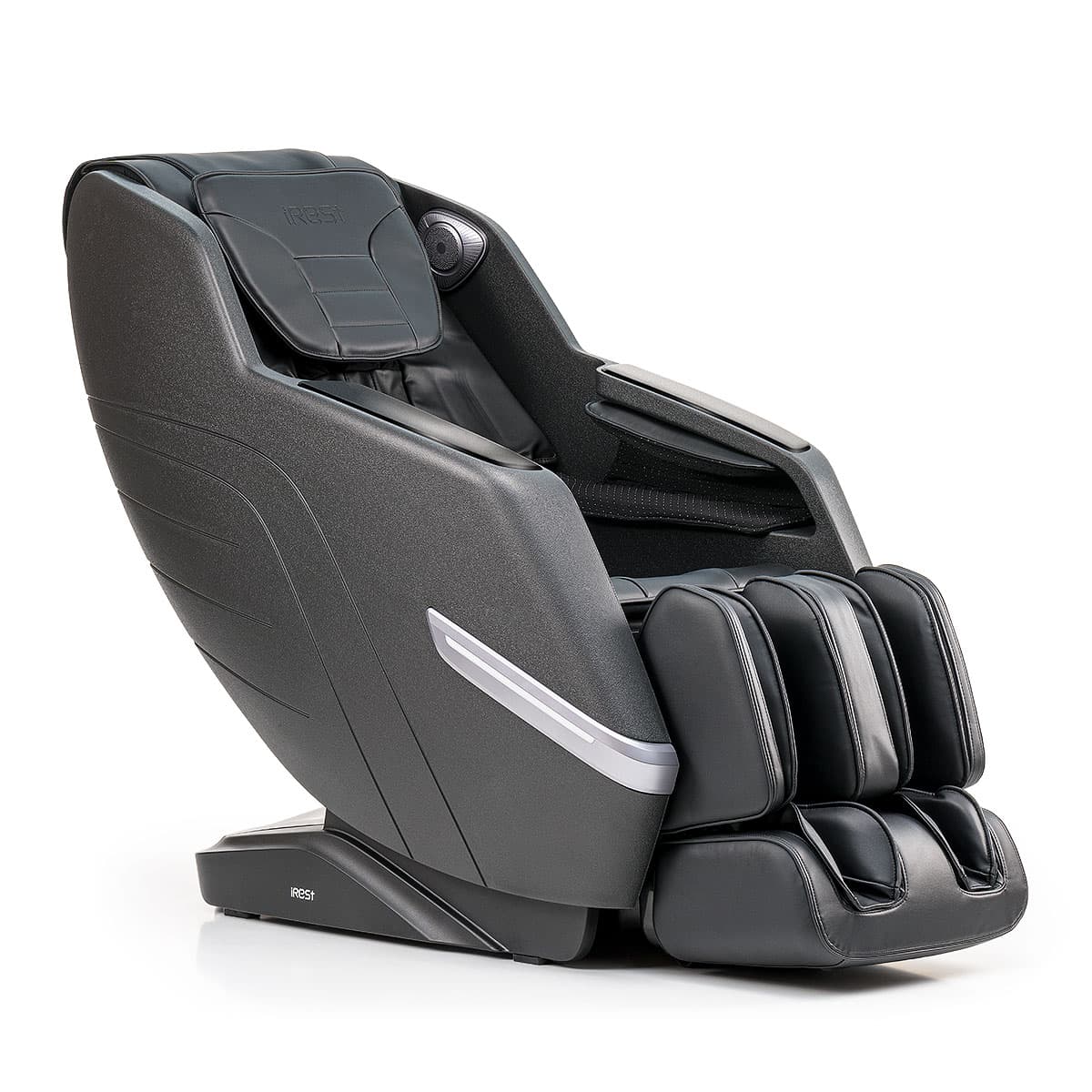
Three chairs from our range, from entry level to flagship, with prices and specifications.
More from the blog
SL track and airbags: what really determines massage quality
The track shape and airbag layout affect massage quality more than the number of programmes. Here's why it matters.
Graphene vs infrared heating in massage chairs
Graphene and infrared heating in massage chairs work differently. Here's what the heat actually does and why it matters for your choice.
What makes a good massage chair: 7 things to check
Seven things to check in the specifications: the track, the mechanism, adjustment levels, air cells, dimensions, upholstery and servicing.